
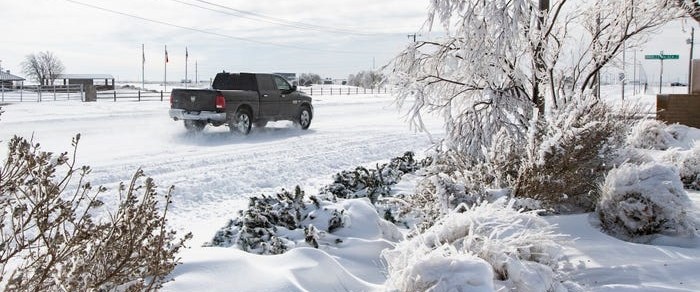
US natural gas prices have surged to the $6 level for the first time since 2022, driven by a powerful winter freeze that has disrupted supply and pushed heating demand sharply higher. The move has reignited concerns about weather vulnerability in the US energy system and highlighted how quickly commodity prices can react when extreme conditions hit. For energy markets, the price spike is not just a short-term weather story but a reminder of how fragile the balance between supply and demand can become during periods of climatic stress.
Severe cold weather acts as a dual shock to natural gas markets by constraining supply while simultaneously boosting consumption. As temperatures plunge, freeze-offs at wellheads and processing facilities reduce output, while residential and commercial heating demand accelerates. This imbalance tightens the market rapidly, forcing prices higher as buyers compete for limited volumes. The current big freeze has affected multiple producing regions, amplifying its impact and pushing US natural gas prices to levels not seen in more than two years.
Natural gas production is particularly vulnerable during extreme cold because moisture in wells and pipelines can freeze, interrupting flows and forcing operators to shut in output. Processing plants and compressor stations can also face operational challenges when temperatures fall below design thresholds. These disruptions reduce the amount of gas reaching markets at precisely the moment when demand peaks, turning weather impacts into immediate price catalysts. The scale of US production means even a small percentage decline can remove billions of cubic feet per day from supply.
On the demand side, winter weather impact is most visible in heating consumption, which dominates natural gas usage during cold spells. Residential and commercial demand rises sharply as households and businesses respond to prolonged low temperatures. Power generators also increase gas burn to meet electricity demand when other sources struggle. This synchronized demand surge intensifies pressure on supply chains, contributing to the sharp upward movement in commodity prices during extreme winter events.
Energy markets have responded swiftly to the cold-driven supply-demand imbalance. Futures prices have climbed as traders price in tighter near-term availability and heightened volatility. For investors, the rally underscores the importance of weather as a market driver, particularly during winter months when natural gas fundamentals can shift rapidly. The move to $6 has also drawn renewed attention to gas storage levels and production resilience, both of which play a critical role in determining how long elevated prices may persist.
The surge in natural gas prices feeds into a broader discussion around a potential US energy crisis during extreme weather. While the US remains a leading global producer, repeated winter disruptions expose vulnerabilities in infrastructure and grid coordination. High prices can strain consumers, increase heating costs, and place political pressure on policymakers. At the same time, they provide revenue relief for producers and reinforce the economic value of supply reliability and resilience investments.
The impact of the freeze varies by region, reflecting differences in climate exposure and infrastructure preparedness. Producing basins that are not fully winterized tend to suffer the most severe production losses, while demand centers experience strain as pipelines and storage systems work to deliver gas under peak conditions. These regional dynamics illustrate how localized weather events can cascade into national market movements, particularly in an interconnected energy system.
Although the price spike is rooted in domestic conditions, it has global implications. The US is a major exporter of liquefied natural gas, and tight domestic supply can influence export flows and international pricing. Elevated US prices may reduce export competitiveness or prompt adjustments in global LNG trade patterns. This interconnectedness means that a US winter freeze can reverberate through global energy markets, reinforcing the importance of weather in shaping commodity prices worldwide.
Repeated winter-driven price spikes raise important questions for energy policy and industry planning. Infrastructure winterization, grid resilience, and coordination between gas and power systems are increasingly seen as strategic priorities rather than optional investments. For producers, maintaining output during extreme conditions can offer a competitive advantage. For policymakers, balancing market efficiency with consumer protection becomes more challenging as climate volatility intensifies.
Historically, natural gas prices tend to retreat once temperatures normalize and production recovers, but the speed and magnitude of that correction depend on storage levels and infrastructure damage. If the freeze causes lasting production losses or draws down inventories significantly, prices may remain elevated longer than expected. Market participants will closely monitor weather forecasts, production data, and storage reports to gauge the sustainability of the current rally.
The move in US natural gas prices to $6 amid a major freeze is a clear demonstration of how weather can dominate energy market dynamics. Extreme cold transforms natural gas from an abundant commodity into a scarce resource almost overnight, reshaping prices and sentiment. For investors, industry professionals, and consumers alike, the episode reinforces a critical takeaway: as climate volatility increases, weather risk will remain a central factor in energy markets, shaping price behavior long after the immediate freeze has passed.