
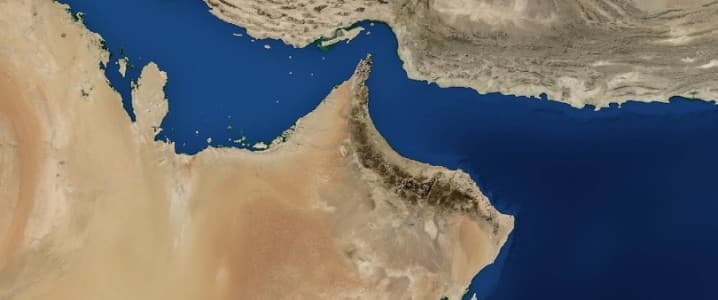
Global attention has turned toward Beijing after former U.S. President Donald Trump reportedly asked China to assist in maintaining security around the Strait of Hormuz, one of the world’s most vital oil transit routes. The request comes at a time of heightened geopolitical tensions in the Middle East, where threats to shipping lanes have raised concerns about potential disruptions to global energy supplies.
Despite the strategic significance of the issue, China has not publicly responded in a clear or direct manner to the diplomatic appeal. The absence of an immediate reaction from Beijing has sparked debate among analysts about how the world’s two largest economies might approach cooperation on maritime security in a region that plays a central role in the global oil market.
For energy traders and geopolitical observers, the situation highlights the growing complexity of international diplomacy surrounding energy security. The Strait of Hormuz remains a critical artery for global oil flows, and any uncertainty surrounding its protection can influence market sentiment and global crude prices.
The Strait of Hormuz sits between Iran and Oman and connects the Persian Gulf to international waters. It serves as one of the most strategically important shipping corridors in the world. Every day, massive volumes of crude oil and petroleum products travel through the narrow passage aboard tankers heading toward Asia, Europe, and other major energy-consuming regions.
Because such a large share of global oil exports depends on safe passage through this corridor, any instability or military tension nearby can immediately influence oil market expectations. Energy traders monitor developments in the region closely, understanding that disruptions to shipping traffic could affect supply availability and push prices higher.
Recent security incidents and rising tensions in the region have heightened concerns about the safety of vessels moving through the strait. These developments appear to have prompted Washington to seek broader international cooperation in safeguarding the critical waterway.
China is one of the largest importers of crude oil in the world and relies heavily on supplies originating from the Middle East. A significant portion of those shipments travels through the Strait of Hormuz before reaching Asian markets. This makes the stability of the route particularly important for China’s long-term energy security.
Given this dependence, analysts have long speculated that China might eventually take a more active role in protecting maritime energy supply routes. Trump’s request for assistance appears to have been framed within this context, suggesting that Beijing has a strong economic incentive to support efforts aimed at maintaining safe passage through the strait.
However, China’s cautious approach to international security operations may explain the lack of an immediate response. Beijing traditionally prefers to avoid direct involvement in foreign military arrangements, especially those led by the United States.
The relationship between the United States and China is often characterized by a mix of cooperation and strategic rivalry. While both countries share an interest in maintaining stable global trade routes, their broader geopolitical competition can complicate efforts to collaborate on security issues.
Trump’s request to Beijing highlights this delicate balance. On one hand, both countries benefit from uninterrupted oil flows through the Strait of Hormuz. On the other hand, deeper security cooperation in the region could raise political sensitivities, particularly given ongoing tensions between Washington and Beijing over trade, technology, and global influence.
China’s silence may therefore reflect a calculated diplomatic strategy. By avoiding an immediate public commitment, Beijing can maintain flexibility while assessing the broader geopolitical implications of involvement in Middle Eastern security initiatives.
Efforts to safeguard shipping routes in the Persian Gulf often involve multinational naval patrols designed to deter attacks on commercial vessels. These operations aim to protect maritime commerce and ensure the steady flow of energy supplies to global markets.
If China were to participate in such initiatives, it could mark a significant shift in the country’s international security posture. Beijing has expanded its naval capabilities in recent years and has participated in certain overseas security operations, but it generally approaches such engagements with caution.
For policymakers and analysts, the question is whether rising energy security risks could eventually encourage China to take a more active role in protecting key maritime corridors.
The oil market is highly sensitive to developments involving the Strait of Hormuz. Even small disruptions to tanker traffic can trigger sharp price movements because of the enormous volume of oil that passes through the corridor each day.
Traders often incorporate geopolitical risk into oil prices whenever tensions rise in the region. If security concerns escalate further or shipping activity becomes threatened, crude prices could experience increased volatility as markets attempt to account for potential supply disruptions.
Trump’s request to China reflects broader international concern about the stability of this critical transit route. The fact that such a request was made publicly highlights the seriousness of the security environment surrounding global oil transport.
The stability of oil supply chains has direct implications for the global economy. Energy costs influence transportation, manufacturing, and consumer prices across many industries. When supply routes face potential disruptions, governments and financial markets closely monitor the situation.
Ensuring the safe passage of energy shipments through strategic chokepoints like the Strait of Hormuz is therefore not only a regional issue but also a global economic priority. Cooperation among major powers could play a role in maintaining stability, but geopolitical rivalries sometimes complicate these efforts.
Looking ahead, observers will closely watch whether China eventually provides a response to Trump’s request or signals a broader position regarding maritime security in the Strait of Hormuz. Any indication that Beijing might participate in international efforts to protect shipping routes could influence diplomatic dynamics as well as market sentiment.
Energy markets will also continue monitoring security developments in the region. Naval activity, diplomatic negotiations, and geopolitical tensions involving Iran and other regional actors could all shape expectations about future oil supply stability.
For global policymakers, the situation underscores the interconnected nature of energy security and international diplomacy. Protecting the flow of oil through the Strait of Hormuz requires not only regional stability but also coordination among major global powers whose economies depend on uninterrupted energy trade.
As geopolitical developments unfold, the world’s attention will remain fixed on the Strait of Hormuz and the decisions made by influential players such as the United States and China. The outcome of these diplomatic dynamics could help determine whether global energy markets experience stability or renewed volatility in the months ahead.