
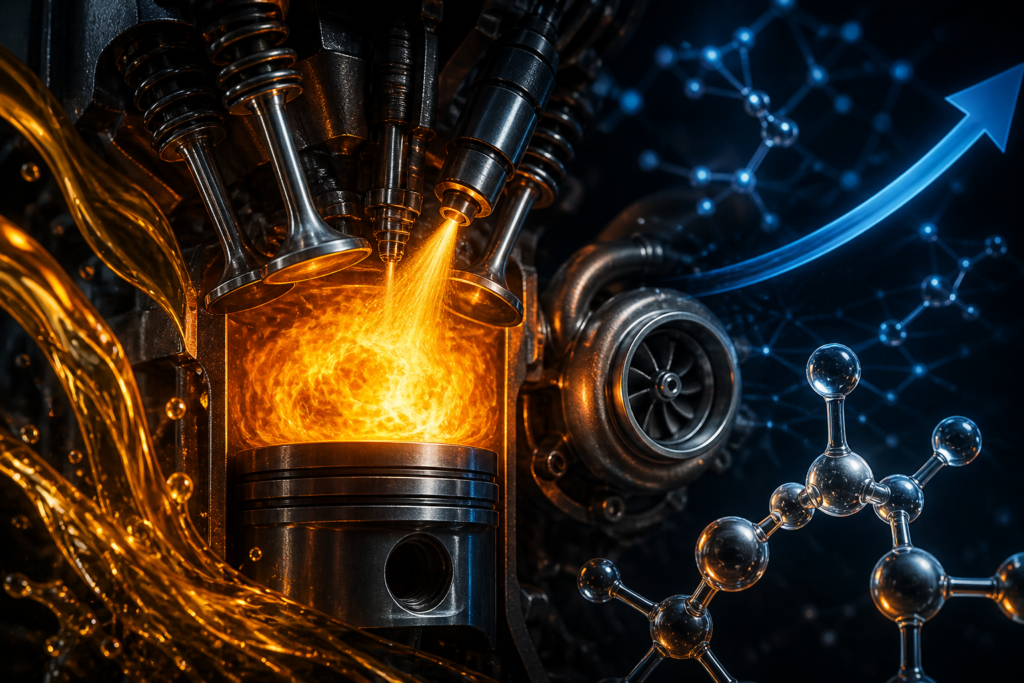
Fuel combustion lies at the core of modern energy systems, powering everything from internal combustion engines to industrial furnaces and power generation facilities. For engineers and technical professionals, understanding the science of fuel combustion is essential because it directly influences performance, efficiency, emissions, and operational cost. At its most fundamental level, fuel combustion is a chemical reaction between a fuel and an oxidizer, typically oxygen, that releases heat and produces combustion products such as carbon dioxide and water vapor. However, real-world combustion is far more complex than this simplified reaction, involving fluid dynamics, thermodynamics, chemical kinetics, and heat transfer processes that must be carefully managed to achieve optimal efficiency.
In practical applications, combustion rarely occurs under ideal conditions. Variations in fuel composition, air supply, temperature, and pressure create dynamic environments where incomplete combustion, heat losses, and pollutant formation can occur. The efficiency of combustion is therefore defined not just by how much energy is released, but by how effectively that energy is converted into useful work. Even small inefficiencies can translate into significant energy losses at scale, particularly in industrial settings where fuel consumption is measured in thousands or millions of units per day.
Combustion efficiency is governed by several interrelated scientific principles that determine how completely and effectively fuel is burned. One of the most critical factors is the air-fuel ratio, which defines the proportion of oxygen available for combustion relative to the amount of fuel. An ideal or stoichiometric mixture allows complete combustion, but in practice, systems often operate with excess air to ensure full oxidation. While excess air reduces the risk of unburnt fuel, too much of it lowers efficiency by carrying heat away in exhaust gases.
Temperature also plays a central role in combustion science. Higher temperatures generally promote faster reaction rates and more complete combustion, but they also increase the formation of nitrogen oxides, a key pollutant. Engineers must balance temperature optimization with emission control, often using staged combustion or flue gas recirculation to manage peak temperatures. Pressure, turbulence, and mixing quality further influence how efficiently fuel and air interact at the molecular level. Poor mixing leads to localized fuel-rich or oxygen-deficient zones, resulting in incomplete combustion and higher emissions of carbon monoxide and unburnt hydrocarbons.
Heat transfer mechanisms are equally important. In industrial combustion systems, a significant portion of energy can be lost through radiation, convection, and exhaust gases. Efficient system design focuses on capturing and utilizing as much of this heat as possible, often through heat exchangers, recuperators, or regenerative systems that preheat incoming air using waste heat from exhaust streams.
In industrial environments, achieving optimal combustion efficiency is complicated by variability in operating conditions. Fuel quality can fluctuate, especially when using mixed or lower-grade fuels, affecting combustion characteristics and stability. Equipment wear, fouling, and scaling can reduce heat transfer efficiency and disrupt airflow patterns. Additionally, operational constraints such as load changes and start-stop cycles introduce further complexity, requiring adaptive control systems to maintain efficiency.
Industrial combustion systems must also comply with increasingly stringent environmental regulations. This creates a dual challenge: maximizing efficiency while minimizing emissions. Technologies such as low-NOx burners, catalytic converters, and advanced control algorithms are used to address this balance. These solutions often involve trade-offs, requiring careful system design and ongoing optimization to achieve both performance and compliance objectives.
Efficiency optimization in fuel combustion systems involves a combination of design improvements, operational strategies, and advanced technologies. One of the most effective approaches is improving air-fuel mixing through burner design and airflow management. Enhanced mixing increases combustion completeness and reduces the formation of pollutants.
Another key strategy is waste heat recovery. By capturing heat from exhaust gases and reusing it within the system, facilities can significantly improve overall energy efficiency. Preheating combustion air or fuel reduces the energy required for ignition and sustains higher combustion temperatures without additional fuel input.
Digital monitoring and control systems are transforming how combustion efficiency is managed. Sensors and real-time analytics allow operators to monitor parameters such as temperature, oxygen levels, and exhaust composition continuously. Advanced control systems can automatically adjust fuel and air inputs to maintain optimal conditions, even as operating environments change. This level of precision reduces energy waste and ensures consistent performance.
Fuel quality management also plays a crucial role in optimization. Consistent, high-quality fuel enables more predictable combustion behavior, allowing systems to operate closer to ideal conditions. In contrast, variable or contaminated fuel introduces uncertainty and reduces efficiency. Regular testing and quality assurance are therefore essential components of any efficiency optimization strategy.
Recent technological advancements are redefining the boundaries of combustion efficiency. Innovations in computational fluid dynamics have enabled engineers to model and optimize combustion processes with unprecedented accuracy. These simulations help identify inefficiencies, improve burner design, and predict system behavior under various conditions.
The integration of artificial intelligence and machine learning is further enhancing optimization capabilities. These technologies analyze large volumes of operational data to identify patterns and recommend adjustments that improve efficiency. Predictive maintenance systems can detect early signs of equipment degradation, allowing operators to address issues before they impact performance.
Alternative fuels and hybrid systems are also influencing combustion technology. The use of hydrogen, biofuels, and synthetic fuels introduces new variables in combustion dynamics but also offers opportunities for cleaner and more efficient energy production. Hybrid systems that combine combustion with renewable energy sources are emerging as a pathway to reduce overall fuel consumption while maintaining reliability.
The benefits of optimizing fuel combustion extend across multiple dimensions, including cost savings, operational performance, and environmental impact. Improved combustion efficiency directly reduces fuel consumption, leading to lower operating costs and enhanced profitability. In large-scale industrial operations, even a small percentage improvement can translate into substantial financial savings over time.
From an environmental perspective, efficient combustion reduces greenhouse gas emissions and minimizes the release of harmful pollutants. This supports regulatory compliance and contributes to broader sustainability goals. Organizations that invest in efficiency optimization often gain a competitive advantage by lowering costs while demonstrating environmental responsibility.
Operational reliability is another key outcome. Efficient combustion systems experience less wear and tear, reducing maintenance requirements and downtime. Consistent performance improves product quality in industrial processes and enhances overall system stability. These benefits underscore the importance of integrating efficiency optimization into both design and operational strategies.
Fuel combustion remains a cornerstone of global energy systems, and its optimization is critical for achieving higher efficiency, lower costs, and reduced environmental impact. By applying the principles of combustion science and leveraging advanced technologies, engineers and decision-makers can unlock significant performance improvements across a wide range of applications. As energy systems continue to evolve, the ability to optimize combustion processes will play an increasingly important role in maintaining competitiveness and sustainability. Embracing fuel combustion optimization is not just a technical necessity but a strategic imperative for organizations seeking to thrive in a rapidly changing energy landscape.