
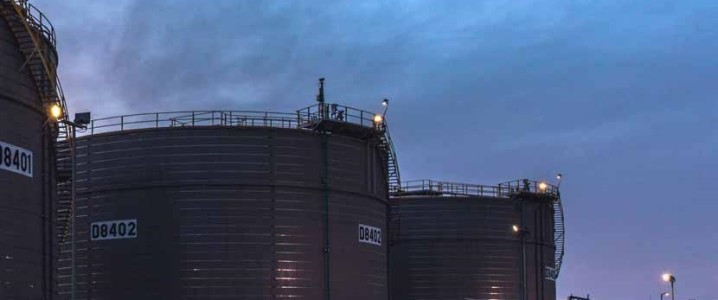
Global energy markets were jolted after a drone strike targeted a refinery in Bahrain, sending refining margins sharply higher and drawing attention to the growing vulnerability of critical oil infrastructure in the Middle East. The incident immediately rippled through trading desks across Asia, Europe, and North America, with analysts closely monitoring how the disruption could affect fuel supply dynamics and the broader structure of global oil pricing.
The Bahrain refinery drone strike comes at a moment when energy markets are already under pressure from tightening supply chains and heightened geopolitical tensions. Refining hubs across the region play a vital role in processing crude oil into essential fuels such as gasoline, diesel, and jet fuel. When facilities like these are threatened or disrupted, even temporarily, the effects can cascade quickly across the entire petroleum supply chain. Traders responded swiftly to the news, pushing crack spreads an industry measure of refinery profit margins to some of their strongest levels in recent months.
To understand why the Bahrain refinery drone strike triggered such a rapid market reaction, it is essential to examine the role of crack spreads in the energy market. Crack spreads represent the difference between the price of crude oil and the refined products derived from it. When refining capacity becomes constrained or when supply risks increase, these spreads tend to widen because refined products become relatively more valuable.
Following the drone strike, market participants anticipated potential disruptions to refined fuel output in the region. Even if the damage proved limited, the perceived risk alone was enough to tighten expectations around fuel availability. Traders began pricing in the possibility of reduced refinery throughput or precautionary operational slowdowns, both of which could restrict the supply of gasoline and diesel.
The reaction illustrates how sensitive the oil market has become to geopolitical developments. While crude oil supply itself may not have been immediately affected, refining capacity remains a crucial bottleneck in the energy system. When refinery operations face uncertainty, the downstream fuel markets often react faster than crude benchmarks themselves.
The drone strike on the Bahrain refinery underscores a broader concern that has been growing among energy analysts: the vulnerability of critical energy infrastructure in politically sensitive regions. The Middle East remains the backbone of global oil supply, hosting some of the world’s largest oil fields, export terminals, and refining complexes. Any threat to these assets can reverberate far beyond regional markets.
Energy security experts note that drone technology has increasingly become a tool used in asymmetric conflict, capable of reaching high-value targets such as refineries, pipelines, and storage facilities. These attacks do not necessarily need to cause catastrophic damage to influence markets. Even the threat of disruption can alter investor sentiment and trigger precautionary trading activity across commodity exchanges.
In the case of Bahrain, the refinery plays an important role in processing crude oil from regional producers and supplying refined products to international markets. A disruption to such a facility introduces uncertainty into an already complex supply environment shaped by geopolitical rivalries, sanctions regimes, and shifting production policies among major oil producers.
While the Bahrain refinery drone strike primarily influenced refining margins, it also contributed to broader volatility in crude oil prices. Oil markets often respond to geopolitical risk by incorporating what traders call a risk premium, which reflects the potential for supply disruptions. Even when physical supply remains stable, uncertainty can lead to upward pressure on prices.
The widening of crack spreads suggests that refined fuels may experience tighter availability if refining capacity becomes constrained. This dynamic can lead to higher fuel costs globally, particularly in regions that rely heavily on imported gasoline or diesel. Energy markets are interconnected, and a disruption in one strategic location can quickly influence price benchmarks elsewhere.
Furthermore, the timing of the incident matters. Seasonal demand patterns often play a major role in determining how strongly markets react to supply shocks. If the strike coincides with periods of strong fuel demand such as summer driving seasons or winter heating demand the impact on crack spreads and product prices can become more pronounced.
The Bahrain refinery drone strike also raises broader questions about the resilience of global energy infrastructure. Governments and industry leaders have increasingly focused on strengthening security measures around refineries, export terminals, and pipelines. However, the evolving nature of modern conflict particularly the use of drones and other remote technologies has made protecting these assets more challenging.
Energy security has long been intertwined with geopolitics, especially in regions where oil production plays a central economic and strategic role. As tensions persist across the Middle East, the possibility of further incidents targeting energy infrastructure remains a concern for policymakers and investors alike. Each new disruption reinforces the perception that supply chains are more fragile than previously assumed.
From a market perspective, this environment encourages volatility. Traders are forced to factor geopolitical risk into pricing models more aggressively, which can lead to sudden swings in oil prices and refining margins. Over time, these dynamics may influence how energy companies allocate capital, potentially accelerating investments in diversified supply routes, alternative refining hubs, or even energy transition technologies.
Ultimately, the Bahrain refinery drone strike highlights the delicate balance that underpins global energy markets. The oil industry operates on a complex network of production sites, transportation routes, and refining facilities that must function smoothly to keep fuel flowing to consumers worldwide. When any part of that network comes under threat, the entire system feels the impact.
The surge in crack spreads following the attack demonstrates how quickly market sentiment can shift in response to geopolitical developments. Even localized incidents can influence global pricing dynamics when they involve strategically important infrastructure. For investors, policymakers, and industry stakeholders, the event serves as a reminder that energy markets remain deeply tied to political stability and regional security.
As investigations into the incident continue and refinery operations stabilize, traders will watch closely for signs of further disruptions or escalating tensions. The long-term impact on oil prices will depend on whether the strike proves to be an isolated event or part of a broader pattern of threats targeting energy infrastructure. Regardless of the outcome, the episode reinforces a key reality of modern energy markets: geopolitical risk remains one of the most powerful forces shaping the price and availability of oil.