
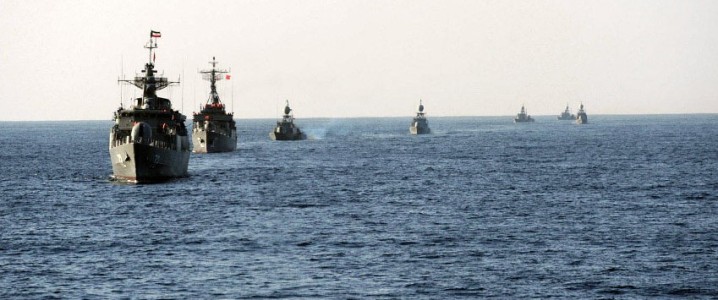
Global energy markets are once again facing heightened uncertainty after Iranian officials warned that crude oil prices could surge to as high as $200 per barrel if tensions surrounding the Strait of Hormuz continue to intensify. The statement has captured the attention of oil traders, policymakers, and financial markets worldwide, highlighting how sensitive global energy prices remain to geopolitical developments in the Middle East.
The warning comes amid increasing military and political friction in the region, where several incidents involving energy infrastructure, shipping routes, and regional security have raised concerns about the stability of oil supply chains. As tensions build, the possibility of disruptions in one of the world’s most critical energy corridors has prompted analysts to reassess potential price scenarios in the global crude oil market.
Iran’s statement underscores the strategic leverage held by countries located near major energy transit routes. Any instability in these areas has the potential to send shockwaves through international oil markets, especially when global supply conditions are already tight.
The Strait of Hormuz is widely recognized as one of the most important maritime passages in the global energy system. Located between Iran and Oman, the narrow waterway connects the Persian Gulf with the Gulf of Oman and the wider Indian Ocean. Every day, massive volumes of crude oil and petroleum products move through this route on tankers traveling from major producing countries to energy-consuming markets around the world.
Because such a large share of global oil exports passes through this narrow corridor, any threat to shipping activity there immediately raises alarm within the energy industry. Oil traders, shipping companies, and governments closely monitor developments in the area, understanding that even temporary disruptions could affect the availability of crude supplies.
When tensions escalate around the Strait of Hormuz, markets often react quickly by incorporating a geopolitical risk premium into oil prices. This premium reflects the possibility that tanker movements could slow, shipping insurance costs could rise, or naval confrontations could temporarily block the passage of vessels.
If tanker traffic through the Strait of Hormuz were significantly disrupted, the consequences for global oil supply would be substantial. Several major oil-producing nations rely heavily on this route to export their crude to international markets. Countries across Asia, Europe, and North America depend on these shipments to meet their energy needs.
In such a scenario, oil supply shortages could emerge quickly, driving prices sharply higher as refiners and traders compete for available barrels. Strategic petroleum reserves might be used to stabilize markets, but even those reserves could only provide temporary relief if disruptions persisted.
Iran’s warning that oil prices could climb to $200 per barrel reflects this vulnerability. The statement serves as a reminder that geopolitical instability in key transit corridors can amplify market volatility and create dramatic price movements.
A dramatic surge in oil prices would have wide-reaching consequences for the global economy. Energy costs play a central role in transportation, manufacturing, and logistics, meaning that higher crude prices often translate into increased costs across many industries. If oil were to approach $200 per barrel, businesses and consumers alike could face significantly higher fuel and energy expenses.
Such a scenario could also intensify inflationary pressures that many economies are already grappling with. Rising fuel prices frequently lead to higher costs for goods and services, which can influence central bank policies and economic growth forecasts.
For oil-importing countries, the financial burden of purchasing energy could increase sharply. Governments might be forced to adjust budgets, subsidies, or fuel pricing policies in response to elevated energy costs.
Financial markets tend to react strongly when oil prices move rapidly due to geopolitical risks. Investors often view crude oil as both a commodity and a geopolitical barometer. When tensions escalate in major producing regions, traders may shift investment strategies to account for potential supply disruptions.
A spike toward $200 oil would likely trigger increased volatility across commodity markets, currency markets, and equities linked to the energy sector. Oil producers could benefit from higher revenues, while energy-intensive industries might face increased operational costs.
This dynamic demonstrates how interconnected energy markets are with broader financial systems. Even a perceived threat to supply routes can trigger significant movements across multiple asset classes.
Iran’s oil price warning can also be interpreted within the broader context of regional geopolitics. Statements regarding potential oil market disruptions often carry both economic and strategic messaging. By highlighting the vulnerability of global supply routes, countries involved in geopolitical disputes can draw attention to the potential consequences of escalating tensions.
The Middle East has long been a focal point for energy-related geopolitical dynamics. Major producers, strategic alliances, and long-standing political rivalries intersect in the region, creating a complex environment that directly influences oil markets.
Recent developments involving security incidents near energy infrastructure and shipping lanes have reinforced the perception that tensions could escalate further. As a result, energy traders remain highly attentive to diplomatic signals and military movements across the region.
Energy security remains a major priority for governments around the world. The ability to secure stable and reliable supplies of oil is essential for economic stability and national security. When geopolitical tensions threaten critical transit routes, policymakers often respond by strengthening maritime security measures or exploring alternative supply options.
Some countries have invested heavily in pipeline infrastructure that bypasses vulnerable shipping corridors, while others maintain strategic petroleum reserves designed to buffer short-term supply disruptions. These measures can help mitigate risk, but they cannot fully eliminate the global market’s sensitivity to geopolitical developments.
Looking ahead, the trajectory of oil prices will depend largely on how tensions surrounding the Strait of Hormuz evolve. Energy markets will closely monitor diplomatic efforts, military activity, and security developments affecting maritime transport in the region. Any escalation could strengthen the risk premium already influencing oil prices, while signs of de-escalation might stabilize market expectations.
Analysts will also pay attention to the responses of major oil producers and international organizations such as OPEC. Production adjustments, strategic reserve releases, or coordinated policy responses could help manage supply concerns if tensions intensify.
For now, Iran’s warning about the possibility of $200 oil serves as a stark reminder of how closely global energy markets remain tied to geopolitics. The coming weeks will be critical in determining whether the current tensions remain a source of market anxiety or evolve into a more serious disruption affecting global oil supply.
As traders, policymakers, and energy companies track developments in the Strait of Hormuz, the global oil market will continue to reflect the delicate balance between supply security and geopolitical stability.