
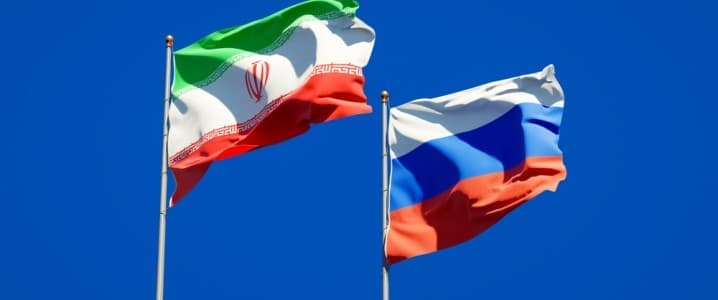
Iran Russia oilfield development initiatives are gaining renewed attention as both nations deepen strategic alignment in response to shifting geopolitical pressures. In an era defined by sanctions impact, supply chain realignments, and evolving OPEC dynamics, Tehran and Moscow are pursuing closer coordination in upstream investment and field modernization. This emerging partnership reflects more than short-term tactical cooperation; it signals a broader recalibration of Russia energy partnerships and Middle East oil cooperation that could influence global energy security for years to come.
Iran oil production has long been constrained by sanctions, infrastructure limitations, and restricted access to Western technology. Russia, facing similar external pressures, has turned increasingly toward non-Western alliances to sustain output and investment flows. The convergence of these two energy producers underscores a shared interest in maximizing hydrocarbon development while mitigating external constraints.
The strategic logic underpinning Iran Russia oilfield development is rooted in mutual necessity. Both countries hold vast hydrocarbon reserves yet operate under varying degrees of sanctions impact that limit access to capital markets, advanced drilling technology, and global banking systems. By pooling expertise and coordinating upstream development plans, they aim to offset some of these limitations and strengthen domestic production capabilities.
Iran oil production potential remains substantial, particularly in mature fields that require enhanced recovery techniques. Russian firms, with decades of experience in complex reservoir management and Arctic operations, bring technical knowledge that could help modernize aging Iranian fields. In return, Russia gains strategic positioning within the Middle East oil cooperation framework, reinforcing its role as a key energy partner beyond traditional Eurasian boundaries.
This collaboration also carries symbolic weight. By expanding Russia energy partnerships in the Middle East, Moscow signals its resilience amid geopolitical pressure. Tehran, meanwhile, leverages cooperation to demonstrate that its energy sector remains open to strategic alliances despite sanctions. Together, these efforts reflect an adaptive approach to maintaining production capacity and long-term output stability.
Sanctions impact remains a central variable shaping the trajectory of Iran Russia oilfield development. Financial restrictions complicate project financing, technology transfers, and international shipping logistics. Nevertheless, both nations have developed alternative mechanisms for trade settlement and equipment procurement, often relying on domestic industries or regional intermediaries.
From an energy security perspective, deeper Middle East oil cooperation between Iran and Russia may influence global supply calculations. While neither country currently operates at full export potential due to external constraints, incremental gains in Iran oil production could introduce additional barrels into regional markets. Even modest increases in output may affect price expectations, particularly during periods of tight supply.
At the same time, OPEC dynamics cannot be ignored. Iran is a member of the producers’ group, while Russia participates in broader OPEC+ coordination. Enhanced collaboration in oilfield development must be balanced against agreed production frameworks designed to stabilize global markets. If output rises significantly, quota negotiations and compliance discussions could become more complex, adding another layer to geopolitical implications.
The interplay between sanctions impact and OPEC dynamics underscores the delicate balance these countries must maintain. While pursuing domestic production growth, they must also navigate international market expectations and diplomatic relationships with other major producers.
One of the most critical aspects of Iran Russia oilfield development involves field modernization. Many Iranian reservoirs require enhanced oil recovery methods to sustain output levels. Russian expertise in horizontal drilling, water flooding, and reservoir modeling could support incremental improvements in recovery rates. Such technical collaboration would directly contribute to stabilizing Iran oil production over the medium term.
Infrastructure development is equally important. Upgrading pipelines, storage facilities, and export terminals is essential for translating upstream gains into export-ready supply. Russia energy partnerships often emphasize integrated value chains, combining exploration, production, and transport solutions. Applying this model to Iranian projects could improve operational efficiency and reduce bottlenecks.
However, technology transfer in the current geopolitical environment remains complex. Access to certain advanced equipment may be restricted, necessitating reliance on domestically produced alternatives or partnerships with third-party suppliers. This constraint may slow the pace of modernization, yet it also encourages innovation within domestic industries.
The broader implication is that Iran Russia oilfield development is not merely about boosting short-term output; it is about building resilience within constrained operating environments. Over time, such resilience may strengthen both countries’ ability to weather market volatility and political pressure.
Middle East oil cooperation between Iran and Russia carries broader geopolitical implications. Energy partnerships often serve as conduits for deeper diplomatic engagement, influencing regional alignments and strategic calculations. As global energy markets become increasingly multipolar, alliances outside traditional Western frameworks are gaining prominence.
For global consumers, the potential impact lies in supply diversification. If Iran oil production stabilizes or increases through Russian collaboration, it could provide incremental supply buffers during periods of disruption elsewhere. Conversely, deeper alignment between two sanctioned producers may intensify geopolitical tensions, particularly if cooperation is perceived as circumventing established regulatory systems.
The evolution of Russia energy partnerships in the Middle East also intersects with broader energy transition debates. While renewable energy continues to expand globally, hydrocarbons remain essential to current energy systems. Strategic investments in oilfield development demonstrate that both Iran and Russia anticipate sustained demand for crude in the coming decades.
Energy security considerations will therefore continue to shape policy decisions. Importing nations monitor production capacity and partnership dynamics closely, as they influence pricing stability and long-term supply reliability. In this context, Iran Russia oilfield development represents a significant data point within the global energy equation.
Iran Russia oilfield development initiatives reflect a strategic convergence shaped by sanctions impact, OPEC dynamics, and shared ambitions to reinforce energy security. By strengthening Russia energy partnerships and advancing Middle East oil cooperation, both nations aim to maximize resource potential despite external constraints. While operational and financial challenges persist, the trajectory of collaboration suggests a deliberate effort to build resilience and sustain output capacity.
For energy market participants, the implications extend beyond bilateral agreements. Incremental gains in Iran oil production, combined with deeper strategic alignment, may influence regional supply balances and global pricing expectations. As geopolitical realities continue to evolve, monitoring Iran Russia oilfield development will remain essential for understanding the broader direction of international energy cooperation.
Readers interested in related developments may explore further analysis on OPEC production strategies, sanctions impact on global supply chains, and emerging energy partnerships reshaping the oil and gas sector.
Copyright Notice:
© 2026 Original analysis and commentary. This blog post is independently written for informational purposes and does not reproduce copyrighted material. All rights reserved.