
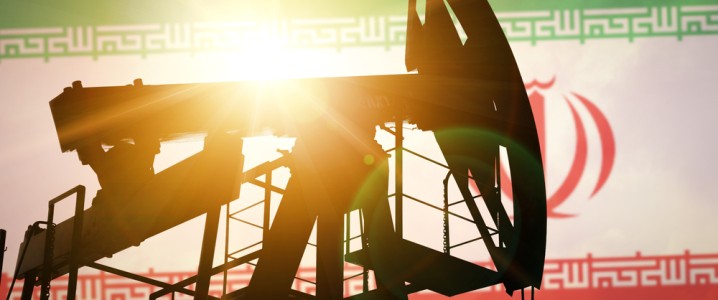
Global energy markets were jolted as oil prices surged past the $100-per-barrel mark following a major political shift in Iran’s leadership. The appointment of a new supreme leader in Tehran came amid escalating regional tensions and military confrontations, prompting traders to rapidly reassess the geopolitical risk facing global crude supply. The sudden spike in crude oil futures reflects growing concerns that instability in the Middle East could threaten energy infrastructure and shipping routes that are essential to global oil flows.
The rally pushed benchmark crude prices sharply higher during early trading sessions, with both Brent crude and West Texas Intermediate (WTI) recording significant gains. Market participants interpreted the leadership transition and ongoing conflict as signals that tensions in the region could persist for an extended period, raising the possibility of supply disruptions that would ripple through international energy markets.
The announcement of Iran’s new supreme leader occurred during a period of heightened conflict involving regional powers and international actors. The leadership change followed the death of the country’s long-time leader and marked a significant moment for Iran’s political system. The newly appointed figure is widely seen as representing continuity in the country’s hardline political direction, a development that many analysts believe could prolong geopolitical friction with Western governments and regional rivals.
For oil markets, political developments in Iran carry enormous significance. Iran sits at the center of one of the world’s most strategically important energy regions, and any instability in its leadership structure can quickly influence perceptions of supply security. Traders and analysts quickly incorporated the implications of the leadership transition into pricing models, pushing crude prices upward as the probability of continued tensions increased.
Energy traders responded immediately to the unfolding developments by bidding up crude oil futures. Benchmark contracts for Brent crude and WTI experienced strong gains, reflecting a surge of risk premium entering the market. At the time of the price jump, both major benchmarks climbed above $108 per barrel, representing one of the most dramatic short-term increases in recent years.
Such movements are typical when geopolitical uncertainty affects key oil-producing regions. Markets tend to react not only to confirmed supply disruptions but also to the possibility that conflict could threaten infrastructure, pipelines, or tanker traffic. In this case, military exchanges across the region and reports of attacks targeting strategic facilities intensified fears that energy flows could be interrupted for weeks or even longer.
Investors and commodity traders therefore moved quickly to secure supply exposure, driving the crude oil surge that pushed prices beyond the symbolic $100 threshold.
Recent military activity across the Middle East has heightened fears about the vulnerability of energy infrastructure. Strikes on storage facilities, drone attacks, and retaliatory missile operations have affected several locations tied to the regional energy network. These developments are particularly significant because the Gulf region contains some of the world’s largest oil reserves and export terminals.
Even when production itself remains intact, the threat of attacks on storage sites, refineries, or desalination plants can disrupt logistics and create uncertainty for energy companies. Shipping routes are especially sensitive to conflict, since tankers transporting crude oil must pass through narrow maritime corridors that can quickly become bottlenecks if security deteriorates.
One of the most critical of these corridors is the Strait of Hormuz, a vital chokepoint through which a large portion of the world’s crude oil supply passes each day. Any instability affecting this route can send shockwaves through energy markets and contribute to sharp price volatility.
The crude oil surge has not been limited to commodity markets alone. Equity futures and broader financial markets have also reacted to the combination of rising energy prices and escalating geopolitical tensions. Higher oil prices often raise concerns about inflation and economic growth, particularly for countries that rely heavily on imported fuel.
When crude prices climb rapidly, transportation costs and manufacturing expenses can increase, potentially feeding into broader price pressures across the global economy. Investors often respond by shifting capital toward safe-haven assets while reducing exposure to sectors that are vulnerable to rising input costs.
Currency markets have also shown signs of stress, with the U.S. dollar strengthening as investors seek stability during periods of geopolitical uncertainty.
The move above $100 per barrel represents a critical psychological milestone for oil markets. Historically, prices at or above this level can influence energy policy decisions, investment strategies, and economic planning around the world. Oil-importing countries may face higher fuel costs, while exporting nations could see increased revenue from elevated crude prices.
For the energy sector, the current rally also highlights the powerful role of geopolitical risk in shaping oil market dynamics. Even in an era of expanding renewable energy investment, global economies remain heavily dependent on crude oil and natural gas. As a result, disruptions in major producing regions continue to have an outsized influence on energy prices.
Analysts note that the current situation reflects a classic geopolitical risk premium being added to crude prices. As long as uncertainty remains high, oil markets are likely to maintain heightened volatility.
Looking ahead, the direction of oil prices will depend heavily on how the geopolitical situation evolves in the Middle East. If tensions continue to escalate or energy infrastructure becomes further entangled in regional conflict, crude prices could remain elevated or even climb higher. Conversely, any signs of diplomatic progress or stabilization may help reduce the risk premium currently embedded in the market.
Energy analysts are closely watching developments surrounding Iran’s leadership transition and the broader regional security environment. With major producers and strategic shipping routes concentrated in the region, the outcome of these events could have long-lasting implications for global energy supply and pricing.
For now, the surge in oil prices serves as a powerful reminder of how closely energy markets are tied to geopolitics. As traders monitor political developments and potential supply risks, volatility in crude oil markets is likely to remain a defining feature of the global energy landscape in the weeks ahead.