
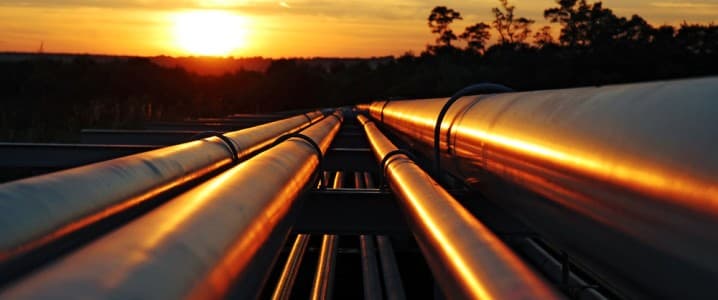
The Russia-China gas pipeline project stands as one of the most ambitious energy infrastructure undertakings of the 21st century, symbolizing deepening Sino-Russian energy cooperation and a strategic pivot in global natural gas supply routes. According to recent reports from OilPrice.com and leading news outlets, progress on the next major pipeline commonly referred to as Power of Siberia 2 underscores both the scale of development and the complex challenges ahead.
Building on the success of the original Power of Siberia pipeline, which currently delivers substantial volumes of Russian natural gas into China from Eastern Siberia, the new pipeline is expected to transport even greater quantities of fuel from Western Siberian fields. This expanded network is intended to elevate Russia’s role as a primary supplier in Asia while offering China a more secure and diversified natural gas supply. The project forms part of a broader effort by both governments to develop enduring energy infrastructure and reduce reliance on maritime LNG shipments that can be more vulnerable to market volatility.
Experts and industry officials have emphasized that realizing the second Russia-China gas pipeline will be a long-term effort. According to recent commentary by energy analysts and parties involved in negotiations, construction and commissioning of this colossal pipeline could take eight to ten years or more from agreement to full operation. This reflects not only the engineering demands of building thousands of kilometers of high-pressure pipeline across remote terrain, but also the complexity of diplomatic and commercial negotiations required to finalize pricing, financing, and cross-border logistics.
Compounding these challenges is the task of aligning strategic priorities between Moscow and Beijing, which have differing perspectives on gas pricing and long-term delivery terms. Resolving these differences is essential to progress beyond the memorandum stage toward binding contracts and the start of physical construction.
Economically, the pipeline promises to reposition Russia’s energy exports in a world where demand patterns are rapidly shifting. Russia’s traditional European markets have sharply curtailed purchases of Russian pipeline gas over recent years, prompting Moscow to seek alternative outlets for its substantial resource base in Asia. The expansion of the Russia-China gas pipeline represents a logical commercial strategy to capture a significant share of China’s fast-growing gas import needs.
For China, increased access to overland gas supplies supports industrial growth and urban energy demands while contributing to cleaner energy goals that aim to reduce reliance on coal. A dependable pipeline supply also mitigates price exposure associated with global LNG markets, which can fluctuate widely due to shipping costs and geopolitical tensions.
From a geopolitical standpoint, the Russia-China gas pipeline is more than a conduit for energy. It symbolizes a deepening strategic alignment between two major powers at a time of shifting global power dynamics. This linkage strengthens bilateral ties and reshapes energy geopolitics by signaling to other global actors that Moscow and Beijing are willing to commit to long-term infrastructure cooperation.
The project also has implications for global LNG and pipeline networks, as a large-scale overland supply route between Russia and China could influence pricing benchmarks and competition in Asian energy markets. As such, the initiative is being closely watched by energy producers and consumers across Europe, the Middle East, and Asia.
In addition to pipeline construction, Russia and China are exploring complementary infrastructure ties such as enhanced gas processing facilities, storage assets, and interconnections with existing and planned energy corridors. These investments could further solidify the regional role of this gas corridor while enabling both countries to integrate their energy systems more comprehensively. Increased cooperation in this space may lead to broader Eurasian energy networks in the future that blend gas, oil, and renewable energy flows to support industrial growth across multiple nations.
The Russia-China gas pipeline project, particularly Power of Siberia 2, marks a pivotal chapter in modern energy infrastructure. While complex negotiations and construction challenges suggest a lengthy timeline before full operation, the initiative promises to reshape how natural gas is supplied, priced, and geopolitically leveraged in the decades ahead. As Russia redirects its export focus eastward and China secures long-term supply for domestic needs, this massive pipeline stands as a testament to the transformative potential of Sino-Russian energy cooperation within the global energy landscape.