
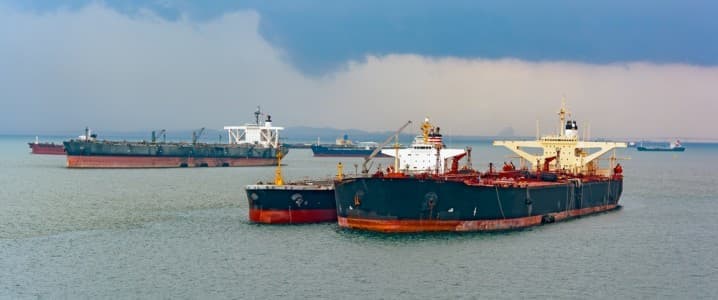
A growing fleet of tankers loaded with sanctioned oil has begun gathering offshore China, creating an unusual bottleneck in global energy trade and drawing renewed attention to the evolving dynamics of the oil market. The situation highlights how geopolitical sanctions, shifting trade routes, and demand from major importing countries can combine to create complex logistical challenges in the global energy system.
Reports indicate that a record volume of crude oil subject to international sanctions is currently stored aboard tankers positioned near Chinese coastal waters. These vessels are effectively functioning as floating storage facilities while traders and buyers navigate regulatory restrictions and pricing considerations. The buildup of sanctioned oil tankers offshore China has become a visible symbol of the tensions shaping the modern oil market, where political decisions and commercial incentives often collide.
China’s position as one of the world’s largest crude oil importers makes it a focal point for global energy trade. When large quantities of oil accumulate near its shores, the implications extend well beyond regional markets. Traders, analysts, and policymakers are closely monitoring the situation, recognizing that these floating inventories could influence supply dynamics and price movements across the broader oil market.
International sanctions targeting oil exports from certain producing nations have significantly altered the structure of global energy trade. Restrictions on shipping, financing, and insurance have made it more difficult for sanctioned crude to move freely through traditional trading channels. As a result, producers and traders have increasingly relied on alternative routes and unconventional logistics to move these supplies.
The presence of large numbers of tankers carrying sanctioned oil near China reflects this shift. Rather than delivering cargoes directly to ports, some shipments are held offshore while buyers assess regulatory risks or negotiate pricing terms. In some cases, these tankers wait for weeks before cargoes are discharged or transferred through complex trading arrangements.
This phenomenon illustrates how sanctions can influence not only geopolitical relationships but also the practical mechanics of global oil supply chains. The accumulation of sanctioned oil tankers offshore China demonstrates how market participants adapt to regulatory constraints by finding new ways to manage inventory and transportation.
Using tankers as floating storage is not entirely new in the oil industry. During periods of oversupply or market disruption, traders sometimes store crude on ships while waiting for more favorable prices or improved logistics conditions. However, the scale of the current buildup of sanctioned oil near China is drawing particular attention from energy market observers.
Floating storage allows traders to delay deliveries while monitoring market conditions. If prices rise or logistical challenges ease, the oil can be quickly delivered to refineries or transferred to other vessels. This strategy can also provide flexibility when dealing with sanctions, allowing cargoes to remain offshore until a viable transaction structure is identified.
In the case of sanctioned oil tankers offshore China, floating storage may reflect a combination of logistical delays, regulatory caution, and strategic trading decisions. The accumulation of cargoes suggests that the global oil market is experiencing a temporary mismatch between supply availability and the ability to deliver those supplies through traditional channels.
The project introduces state-of-the-art water injection technology designed to sustain reservoir pressure and improve oil recovery rates. This includes modern water treatment and reinjection systems tailored for high-efficiency operations.
China occupies a unique position in the global oil market because of its massive demand for energy and its diversified network of suppliers. The country imports crude oil from dozens of nations, and its refineries process a wide range of crude grades. This flexibility allows Chinese buyers to adapt quickly to changes in global supply conditions.
When sanctioned oil accumulates offshore China, it often reflects the country’s willingness to evaluate discounted crude supplies. Sanctioned oil frequently trades at lower prices due to the regulatory risks involved, which can make it attractive to certain buyers. However, these transactions must still navigate complex legal and financial frameworks.
The presence of record volumes of sanctioned oil tankers near Chinese waters suggests that market participants are exploring opportunities to move these cargoes into the country’s refining system. At the same time, the waiting period for many vessels indicates that negotiations, regulatory considerations, or logistical challenges are still being resolved.
The buildup of sanctioned oil tankers offshore China could have several implications for global energy markets. In the short term, the existence of large floating inventories effectively removes some supply from immediate circulation, which can influence price dynamics. If those cargoes eventually enter the market in large volumes, they could increase available supply and put downward pressure on crude prices.
Energy traders therefore monitor floating storage levels closely as an indicator of potential shifts in supply. When large amounts of oil are stored offshore, it suggests that future deliveries may be released into the market depending on price movements and regulatory conditions.
At the same time, the presence of sanctioned oil highlights ongoing geopolitical tensions that continue to shape global energy trade. Sanctions are designed to restrict revenue streams for certain producers, but they also create new trade patterns as buyers and sellers search for alternative arrangements.
The broader geopolitical landscape plays a central role in the accumulation of sanctioned oil tankers offshore China. Sanctions imposed by Western governments on certain oil-producing nations aim to limit their access to global markets. These measures often target shipping services, financial transactions, and insurance coverage associated with oil exports.
However, the global nature of energy markets means that sanctioned oil rarely disappears entirely. Instead, it tends to find new pathways through complex trading networks, often involving intermediaries, reflagged vessels, or ship-to-ship transfers. These mechanisms allow some cargoes to continue moving even under strict regulatory conditions.
The concentration of sanctioned oil near China reflects how major consuming countries can become focal points for these alternative trading flows. As long as demand exists and pricing incentives remain strong, traders will continue exploring ways to deliver crude oil despite geopolitical barriers.
The sight of dozens of tankers holding sanctioned oil offshore China offers a powerful illustration of the evolving global oil market. It highlights how geopolitical decisions, economic incentives, and logistical constraints interact to shape the movement of energy resources around the world.
For market analysts, the situation serves as a reminder that oil supply chains are highly adaptable. Even when sanctions attempt to restrict exports, market participants often develop new strategies to keep oil flowing. These adjustments may involve longer shipping routes, additional storage, or complex trading arrangements.
At the same time, the accumulation of oil cargoes offshore introduces uncertainty into the market. If these floating inventories are released suddenly, they could influence price trends and supply balances across international markets.
Looking ahead, the future of the sanctioned oil tankers offshore China will depend on several factors, including regulatory developments, negotiations between buyers and sellers, and broader geopolitical conditions. If sanctions enforcement tightens, some cargoes could remain in storage longer than expected. Alternatively, improved trade arrangements or shifts in demand could allow these shipments to enter the market more quickly.
Energy markets will continue watching this situation closely, recognizing that large floating inventories often signal deeper structural changes in global trade patterns. The buildup of sanctioned oil near China underscores the complexity of modern energy geopolitics, where market forces and political decisions constantly reshape the global oil landscape.
As traders, policymakers, and analysts evaluate the implications of this tanker buildup, one thing remains clear: the global oil market is entering a period defined by shifting alliances, evolving sanctions regimes, and increasingly complex supply routes.