
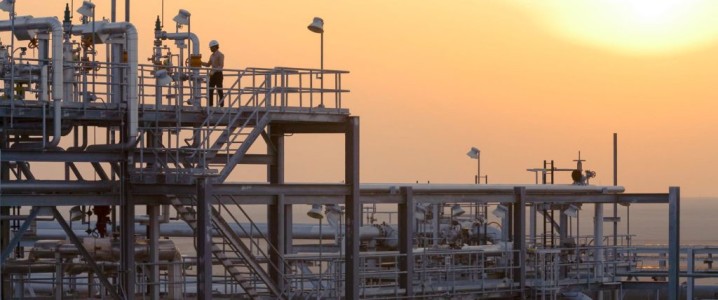
Saudi Arabia oil output has moved back into focus as US Iran tensions intensify, raising fresh concerns about oil prices and the broader geopolitical impact on global energy markets. In times of heightened Middle East tensions, energy traders and policymakers closely monitor production decisions from Riyadh because of the Kingdom’s unique capacity to influence supply balances. By signaling a readiness to increase production, Saudi Arabia appears to be positioning itself as a stabilizing force in volatile markets, aiming to cushion potential disruptions that could arise from military escalation or sanctions expansion.
The strategic calculus behind Saudi Arabia oil output adjustments is rooted in both economic and geopolitical considerations. As one of the world’s largest crude exporters and a central actor in OPEC strategy, the Kingdom has long used output policy as a tool to manage oil prices and maintain market stability. When US Iran tensions rise, the risk premium embedded in crude benchmarks typically increases, pushing oil prices higher. By preemptively raising output or signaling supply flexibility, Saudi Arabia can help offset speculative price spikes and reassure consuming nations that supply shortages will be avoided.
US Iran tensions have historically had a direct impact on oil prices due to the strategic importance of the Gulf region. A significant portion of the world’s crude exports transit through key maritime chokepoints, and any threat to shipping lanes can quickly translate into market anxiety. When geopolitical uncertainty intensifies, traders factor in the possibility of supply disruption, leading to higher futures prices and increased volatility across energy markets.
In this context, Saudi Arabia oil output becomes more than a domestic production decision; it transforms into a signal to global markets. By increasing output or affirming spare capacity, Riyadh communicates that it can compensate for potential shortfalls. This reassurance can temper excessive price rallies and reduce the geopolitical impact on inflation-sensitive economies. However, the balancing act is delicate. Too much additional supply could weaken oil prices significantly if tensions ease, potentially affecting revenue targets and fiscal planning within the Kingdom.
The relationship between US Iran tensions and oil prices also underscores the interconnected nature of global energy markets. Even rumors of military action or expanded sanctions can trigger short-term price surges. Saudi Arabia’s responsiveness therefore serves as a moderating force, preventing panic-driven market distortions from spiraling out of control.
Saudi Arabia’s production decisions cannot be analyzed in isolation from broader OPEC strategy. As the de facto leader of OPEC and a central voice within OPEC+, the Kingdom often calibrates output adjustments in coordination with allied producers. When geopolitical risks intensify, internal discussions within the group typically focus on maintaining cohesion while safeguarding market stability.
Increasing Saudi Arabia oil output in anticipation of possible regional conflict reflects a proactive OPEC strategy aimed at preventing supply deficits. The Kingdom’s spare capacity provides it with leverage and influence within the organization, allowing it to act as a swing producer. This role enhances Saudi Arabia’s credibility among major consuming nations, particularly in times of crisis.
At the same time, OPEC strategy must consider long-term price stability. Sustained high oil prices can accelerate energy transition efforts in importing countries, while prolonged low prices can undermine investment in upstream capacity. By carefully adjusting Saudi Arabia oil output, the Kingdom seeks to strike a balance that supports steady revenues without destabilizing demand.
The geopolitical impact of such decisions extends beyond pricing. By stepping in to stabilize markets, Saudi Arabia reinforces its position as a critical partner in global energy security. This dynamic influences diplomatic relationships and economic partnerships, particularly with major economies concerned about inflation and supply reliability.
Energy markets respond rapidly to Middle East tensions, and production announcements from Saudi Arabia are closely scrutinized by traders, refiners, and policymakers. When headlines suggest potential escalation between the United States and Iran, volatility often increases across crude benchmarks, refined products, and even natural gas markets.
An increase in Saudi Arabia oil output can act as a counterweight to these tensions. By demonstrating readiness to supply additional barrels, the Kingdom helps anchor expectations and limit speculative excess. This approach can moderate the geopolitical impact on global growth by preventing sharp spikes in oil prices that would otherwise strain transportation, manufacturing, and consumer sectors.
However, market reactions are rarely linear. If traders perceive that additional Saudi supply signals a high probability of conflict, oil prices could remain elevated despite increased output. In this sense, Saudi Arabia oil output serves both as a stabilizer and as a barometer of perceived risk. The interplay between production levels and geopolitical signals shapes the broader narrative within energy markets.
For countries heavily dependent on imported energy, the implications are significant. Higher oil prices can feed directly into inflation, influencing central bank decisions and fiscal planning. Saudi Arabia’s production flexibility thus carries macroeconomic consequences that extend far beyond the Middle East.
The geopolitical impact of rising Saudi Arabia oil output amid US Iran tensions reflects deeper structural realities in global energy security. The Gulf region remains central to the world’s oil supply, and disruptions there can reverberate across continents. By proactively increasing output, Saudi Arabia aims to reduce the probability that localized tensions escalate into global supply crises.
At the same time, recurring episodes of volatility reinforce the strategic importance of diversification. Importing nations are accelerating investments in renewable energy, electric mobility, and alternative fuels to reduce exposure to Middle East tensions. Yet oil remains indispensable for transportation, aviation, and petrochemicals, ensuring that Saudi Arabia oil output will continue to influence global markets for years to come.
From a strategic standpoint, the Kingdom’s actions illustrate how energy policy and foreign policy intersect. Production adjustments are not merely technical decisions; they are instruments of geopolitical influence. By demonstrating capacity and willingness to stabilize oil prices, Saudi Arabia strengthens its position within global diplomacy.
The longer-term outlook will depend on how US Iran tensions evolve. If diplomatic channels reopen and tensions subside, oil prices could stabilize at more moderate levels, reducing the need for aggressive output adjustments. Conversely, further escalation could sustain upward pressure on prices, compelling Saudi Arabia and its OPEC partners to intervene more decisively.
Saudi Arabia oil output decisions amid rising US Iran tensions highlight the delicate balance between market stability and geopolitical risk. By increasing production in anticipation of potential disruption, the Kingdom aims to contain oil prices and mitigate the geopolitical impact on global energy markets. This proactive approach reflects a broader OPEC strategy centered on preserving stability while safeguarding economic interests.
Energy markets will continue to monitor developments in the Middle East closely, as regional dynamics remain a primary driver of oil prices. Saudi Arabia’s role as a swing producer ensures that its policy decisions will shape market expectations and influence global economic conditions. In an era defined by uncertainty, production flexibility remains one of the most powerful tools for managing volatility and maintaining confidence in global energy security.
© 2026 Energy Market Insights. All rights reserved.