
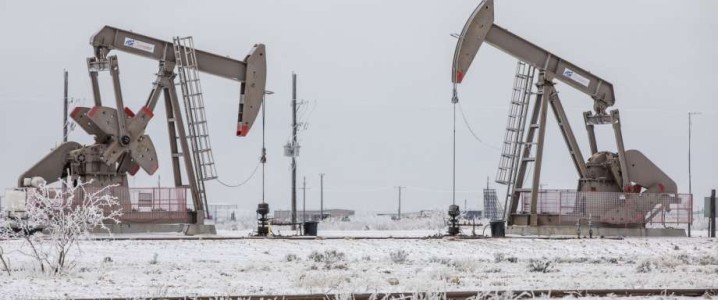
Extreme weather has increasingly become one of the most underestimated risks to US energy production. Severe cold snaps, commonly referred to as big freezes, have the ability to shut in oil wells, halt natural gas flows, and strain energy infrastructure across major producing regions. As the United States remains one of the world’s largest oil and gas producers, weather impacts on oil production are no longer a localized issue but a national and global concern. These disruptions influence supply balances, price volatility, and long-term energy planning, making weather resilience a central issue for the energy sector.
Oil production is particularly vulnerable to prolonged freezing conditions, especially in regions not historically designed for extreme cold. When temperatures plunge, water and liquids within pipelines, valves, and wellheads can freeze, forcing operators to shut in production to prevent equipment damage. In major shale basins such as the Permian, even a brief shutdown can remove significant volumes from the market due to the scale of operations. These weather impacts on oil production highlight how operational efficiency can be quickly undermined when infrastructure is exposed to climate extremes that exceed historical norms.
Natural gas markets are often hit even harder during severe winter events. Cold weather simultaneously increases demand for heating while reducing supply due to frozen wells and processing facilities. This imbalance can trigger a cold weather energy crisis, driving sharp price spikes and straining storage levels. In past freeze events, US gas production has dropped by several billion cubic feet per day, illustrating how weather can overwhelm even the world’s most advanced energy systems. These disruptions underscore the interconnected nature of production, transportation, and consumption in the US energy network.
US energy disruption during extreme weather exposes long-standing infrastructure vulnerabilities. Many oil and gas facilities were built to optimize cost efficiency rather than weather resilience, particularly in regions where severe cold was historically rare. Power outages further compound the problem, as energy production depends heavily on electricity to operate pumps, compressors, and processing plants. The cascading effect of frozen equipment and grid failures reveals how deeply interconnected the energy system is, and why localized weather events can escalate into nationwide supply challenges.
Energy markets react swiftly to weather-driven supply disruptions. Traders closely monitor forecasts, production reports, and storage data to assess the potential impact on crude oil and natural gas prices. Even temporary outages can trigger price rallies when inventories are tight or demand is elevated. For investors, these events reinforce the role of weather as a key driver of short-term volatility. For consumers, the consequences often appear in the form of higher heating and fuel costs, particularly during peak winter demand periods.
Beyond immediate market effects, repeated weather disruptions raise broader economic and policy questions. Energy reliability is increasingly viewed as a matter of national security, particularly during extreme weather events that threaten public safety. Policymakers face growing pressure to encourage infrastructure hardening, improve grid resilience, and promote diversification of energy sources. At the same time, producers must balance the cost of winterization and weatherproofing against competitive pressures in global energy markets, making long-term investment decisions more complex.
As climate patterns become more volatile, severe weather events are expected to occur more frequently and with greater intensity. This trend suggests that weather impacts on US oil and gas production will remain a recurring challenge rather than an occasional anomaly. Energy companies are increasingly incorporating climate risk into operational planning, while investors are scrutinizing resilience strategies as part of broader risk assessments. The ability to maintain production during extreme conditions is becoming a key differentiator in the energy sector.
For energy professionals and investors, recent weather-related disruptions offer clear lessons. Operational resilience, infrastructure modernization, and contingency planning are no longer optional considerations. Companies that invest in weather-resistant systems may gain a competitive advantage by minimizing downtime and revenue losses. From a policy perspective, coordinated planning between energy producers, grid operators, and regulators is essential to reduce the systemic risks posed by extreme weather.
Severe weather is reshaping how the US oil and gas industry views risk, reliability, and resilience. What were once considered rare events are now recurring challenges with significant economic and market consequences. As weather disruptions continue to test US energy production, the industry’s response will play a critical role in shaping future supply stability and price behavior. Understanding and addressing these risks is essential for building a more resilient energy system in an era of climate uncertainty.
For further insights into energy market volatility and production risks, readers can explore related analysis within our energy markets section. The original news context that inspired this discussion is available at OilPrice.com under reporting on weather-related disruptions to US oil and gas production.