
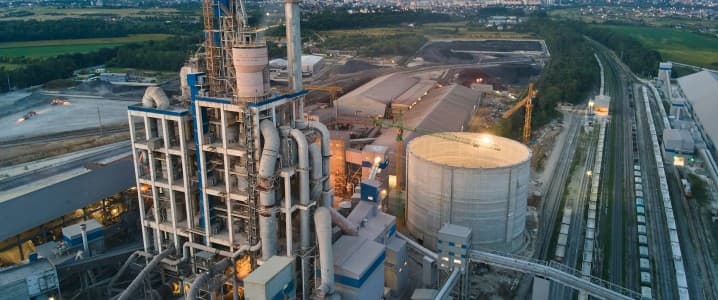
UK oil refineries facing closure have become a serious concern within the broader UK energy crisis, as aging infrastructure, shifting demand patterns, and regulatory pressure converge to threaten the survival of domestic refining capacity. The oil industry challenges confronting the United Kingdom are no longer theoretical; they are operational and financial realities that could reshape the nation’s energy security landscape. Without clear and coordinated energy policy intervention, refinery closures may accelerate, increasing reliance on imported refined products and exposing the economy to external supply shocks.
The UK oil refineries sector has historically played a critical role in processing crude oil into essential fuels such as petrol, diesel, aviation fuel, and petrochemical feedstocks. However, structural market changes, including declining domestic fuel consumption and rising environmental compliance costs, are eroding profitability. As global refining hubs in Asia and the Middle East expand with modern, large-scale facilities, UK operators face intense competitive pressure. The risk is that without policy clarity and targeted support, more UK oil refineries could shut down permanently.
The economic pressures facing UK oil refineries are multifaceted. Refining margins have become increasingly volatile, influenced by global crude price swings and fluctuations in refined product demand. At the same time, the cost base for UK operators remains high due to energy prices, carbon pricing mechanisms, and stringent environmental standards. While environmental regulation is central to the UK’s decarbonization goals, it also adds layers of operational complexity that smaller or older refineries may struggle to absorb.
Oil industry challenges extend beyond compliance costs. Infrastructure maintenance, workforce retention, and capital investment requirements demand long-term certainty. Investors are cautious about allocating capital to assets perceived as transitional or potentially stranded in the context of the energy transition. This investment hesitation compounds the risk of refinery closures, particularly when operators face competition from state-supported or vertically integrated international refiners.
The UK energy crisis has further complicated the environment. High energy costs directly impact refinery operations, which are energy-intensive by nature. When electricity and gas prices spike, operating expenses surge, squeezing already thin margins. Without policy mechanisms to buffer these cost shocks, domestic refineries may find it increasingly difficult to compete.
The energy transition presents both a challenge and an opportunity for UK oil refineries facing closure. On one hand, the long-term shift toward electrification and renewable energy reduces projected demand for fossil fuels. On the other hand, refined petroleum products remain essential for aviation, heavy transport, petrochemicals, and national defense. Policymakers must therefore balance decarbonization objectives with energy security considerations.
A central issue in the debate over energy policy is the absence of a clear roadmap for how domestic refining fits into the net-zero strategy. If policy frameworks emphasize demand reduction without addressing supply resilience, refinery closures may occur faster than alternative systems can compensate. This could leave the UK increasingly dependent on imported fuels processed in jurisdictions with lower environmental standards, effectively outsourcing emissions while weakening domestic industry.
Strategic policy shifts could include incentives for refinery modernization, support for low-carbon fuel production, or integration of carbon capture technologies. By aligning industrial policy with climate targets, the government could reduce the risk of abrupt refinery closures while maintaining momentum toward decarbonization.
The potential extinction of UK oil refineries carries significant implications for national energy security. Domestic refining capacity acts as a buffer against international supply disruptions. If the UK becomes more reliant on imported refined products, geopolitical events or logistical bottlenecks could translate into higher fuel prices and supply instability.
For consumers, refinery closures may contribute to increased price volatility at the pump. Import dependency introduces additional transportation and insurance costs, which can feed into retail fuel prices. Moreover, reduced domestic capacity limits the government’s flexibility in responding to emergencies or sudden demand spikes.
The broader UK energy crisis has underscored the importance of resilience across the energy system. While renewable energy expansion is essential, liquid fuels remain integral to the economy. Policymakers must therefore consider how the decline of UK oil refineries could intersect with other vulnerabilities in the energy supply chain.
UK oil refineries are often major regional employers and industrial anchors. Refinery closures would not only reduce industrial output but also affect local economies through job losses and diminished supply chain activity. Skilled workers in engineering, operations, and logistics could face displacement, further weakening the domestic industrial base.
From an investment perspective, uncertainty discourages long-term planning. Companies are unlikely to commit to refinery upgrades or decarbonization projects without stable regulatory signals. A coherent energy policy that recognizes the transitional role of refining could unlock capital for modernization, improving efficiency and lowering emissions while preserving strategic capacity.
Addressing the threat of UK oil refineries facing closure requires pragmatic energy policy grounded in economic realism and climate ambition. Policymakers must acknowledge that the energy transition is a multi-decade process. During this period, maintaining adequate domestic refining capacity may be essential to avoid unintended consequences.
A balanced approach could involve conditional support tied to emissions reduction targets, encouraging operators to invest in cleaner technologies. By fostering innovation in sustainable fuels and refinery efficiency, the UK could position its refining sector as part of the transition rather than a casualty of it. Clear communication and predictable regulation would help restore investor confidence and reduce the risk of sudden refinery closures.
Ultimately, the debate over UK oil refineries reflects broader tensions within the global oil industry challenges. Countries worldwide are grappling with how to reconcile energy security, affordability, and sustainability. The UK’s response will serve as a case study in managing industrial transformation without undermining strategic resilience.
The future of UK oil refineries will depend on whether policymakers act decisively. Without timely intervention, the combined pressures of market competition, regulatory costs, and declining demand could accelerate closures. With targeted reform, however, the sector may adapt and contribute meaningfully to a secure and lower-carbon energy system.