
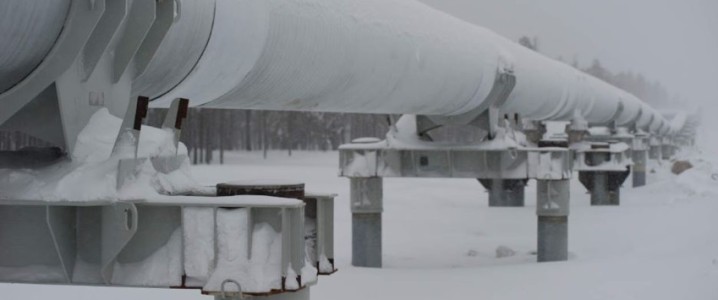
The ongoing conflict between Ukraine and Russia has entered another critical phase after reports emerged that Ukrainian forces targeted a major Russian oil export pipeline hub in southern Russia. The Ukraine Russia oil pipeline attack marks a significant escalation in Kyiv’s strategy of striking key energy infrastructure that supports Moscow’s crude oil exports. As global energy markets closely monitor developments in the conflict, the incident has reignited concerns about potential disruptions to Russian oil supply and the broader geopolitical risks facing global energy markets.
According to reports from energy market analysts and officials, the strike hit an important oil pumping and storage facility connected to a network responsible for transporting Russian crude to export terminals. The facility plays a strategic role in Russia’s oil export system and links to major pipeline routes that deliver crude to international markets. The attack reportedly triggered explosions and fires within the facility, highlighting the vulnerability of critical energy infrastructure during wartime operations.
Russia maintains one of the largest oil pipeline networks in the world, enabling the country to transport crude from its production fields to domestic refineries and international export hubs. One of the most significant systems within this network is the Druzhba pipeline, a massive oil transport corridor that carries crude from Russian production regions into several Central and Eastern European countries. Stretching thousands of kilometers across the continent, the pipeline has historically served as a key artery for Russian oil exports to Europe.
The targeted pumping station reportedly functions as an important node within this broader pipeline infrastructure, helping regulate and distribute crude flows toward various export routes. Disruptions at such facilities can have ripple effects across the entire network, potentially affecting deliveries to refineries and export terminals. Even temporary damage to pumping stations or storage hubs can force operators to reroute flows, reduce export volumes, or halt shipments while repairs are carried out.
For energy traders and analysts, these types of infrastructure strikes are particularly concerning because they introduce uncertainty into global oil supply chains. Russia remains one of the world’s largest crude exporters, and any disruption to its transportation infrastructure can influence global oil prices and market sentiment.
Since the early stages of the war, Ukraine has increasingly focused on targeting Russian energy infrastructure as part of its broader military strategy. Ukrainian forces have used drones and long-range weapons to strike oil refineries, storage depots, fuel terminals, and pipeline facilities across Russian territory. Analysts believe these operations aim to weaken Russia’s ability to finance the war by reducing revenue generated from crude oil exports.
Recent months have seen an expansion of these strikes beyond refining capacity toward export infrastructure and pipeline nodes. Energy experts note that targeting logistics and transportation infrastructure can be particularly disruptive because such facilities are often difficult to repair quickly. Damage to pumping stations, compressor facilities, or specialized refinery equipment can take weeks or months to fully restore, potentially affecting energy flows for extended periods.
The attack on the pipeline hub therefore fits into a broader campaign designed to pressure Russia’s energy sector while drawing global attention to the economic dimensions of the conflict. Kyiv has repeatedly emphasized that energy infrastructure remains a critical component of Russia’s wartime economy.
Any attack on major Russian oil infrastructure quickly attracts attention from global energy markets due to the country’s role as a leading crude supplier. Russia exports millions of barrels of oil per day, supplying customers in Europe, Asia, and other international markets. When infrastructure that supports these exports comes under attack, traders often react by factoring in potential supply risks.
Energy analysts have previously observed price movements following similar strikes on Russian oil export facilities. Markets typically respond to geopolitical disruptions by increasing volatility as traders assess whether supply interruptions could materialize. Even when physical damage is limited, the perception of heightened geopolitical risk can push oil prices upward as markets price in uncertainty.
In recent years, Russian crude exports have already faced pressure from sanctions imposed by Western governments. Restrictions on Russian energy companies and shipping logistics have reshaped global oil trade patterns, forcing Moscow to redirect shipments toward alternative markets. Infrastructure attacks add another layer of complexity to an already fragile supply environment.
Beyond immediate market reactions, the Ukraine Russia oil pipeline attack also underscores the broader geopolitical implications of the war for global energy security. The conflict has already reshaped energy flows across Europe, prompting many countries to reduce reliance on Russian fossil fuels while investing in alternative suppliers and renewable energy sources.
At the same time, pipelines and export terminals remain essential components of global energy infrastructure. When these facilities become targets during geopolitical conflicts, the risks extend beyond the immediate region. Disruptions to oil transport routes can affect supply chains across continents, influencing fuel prices, industrial production costs, and economic stability.
Energy security experts have warned that continued attacks on infrastructure could escalate tensions further and complicate diplomatic efforts aimed at resolving the conflict. As both Ukraine and Russia continue to target each other’s strategic assets, the energy sector remains deeply intertwined with the broader geopolitical struggle.
While the full extent of the damage from the pipeline hub attack remains unclear, the incident highlights the increasingly strategic role of energy infrastructure in modern warfare. For global oil markets, each new attack raises questions about supply reliability, geopolitical risk, and the resilience of critical energy networks.
Energy traders, policymakers, and industry analysts will likely continue monitoring developments closely, particularly as the conflict evolves and additional strikes on infrastructure become possible. The global energy market has already demonstrated its sensitivity to geopolitical events, and any prolonged disruptions could influence both short-term price movements and long-term investment decisions.
As the Russia–Ukraine war continues to reshape the global energy landscape, incidents like this serve as reminders of how deeply geopolitics and energy security are interconnected. Readers following developments in energy markets and international affairs should stay informed as new information emerges about the impact of infrastructure attacks on global oil supply.