
In industrial operations, fuel is often viewed primarily as a recurring operating expense. Procurement teams frequently focus on securing competitive pricing, optimizing consumption rates, and managing supply logistics. However, one critical factor is frequently underestimated during purchasing decisions: fuel quality. While lower-cost fuel may appear attractive from a short-term budgeting perspective, the long-term consequences of low-quality industrial fuel can be significantly more expensive than the savings achieved at the point of purchase. Across construction sites, manufacturing facilities, transportation fleets, mining operations, logistics networks, and heavy equipment environments, fuel quality directly influences equipment reliability, operational efficiency, maintenance requirements, and overall profitability.
The true cost of fuel extends beyond the price displayed on an invoice. Poor-quality fuel can gradually reduce engine performance, accelerate equipment deterioration, increase fleet maintenance costs, and create operational disruptions that affect productivity across entire organizations. In many cases, businesses do not immediately recognize the connection between recurring mechanical problems and fuel quality degradation. Instead, symptoms emerge gradually through reduced efficiency, increased downtime, and growing maintenance expenses. As industries become increasingly dependent on high-performance equipment and uninterrupted operations, understanding the hidden costs associated with low-quality industrial fuel has become an essential component of effective asset management and operational strategy.
Industrial fuel performs a far more important function than simply powering engines. It influences combustion efficiency, engine cleanliness, component lubrication, emissions performance, and overall equipment reliability. Modern diesel engines, generators, heavy machinery, and commercial fleet vehicles are engineered to operate using fuel that meets strict quality specifications. When fuel fails to meet these standards, performance and reliability often suffer.
Fuel contamination can originate from numerous sources. Water intrusion, microbial growth, sediment accumulation, oxidation, chemical instability, and poor storage conditions all contribute to fuel degradation. Even minor contamination levels can affect combustion quality and place additional stress on engine components. Over time, these issues compound, creating operational inefficiencies that extend throughout the equipment lifecycle.
Businesses operating heavy machinery frequently underestimate how sensitive modern equipment has become to fuel quality variations. Advanced fuel injection systems, emissions technologies, and engine management controls require clean and consistent fuel to operate effectively. As equipment technology continues evolving, the risks associated with poor-quality fuel become increasingly significant.
One of the earliest consequences of low-quality industrial fuel is reduced engine efficiency. When fuel contains contaminants or degraded components, combustion becomes less effective, reducing the amount of usable energy generated during operation. Engines must work harder to produce the same output, resulting in higher fuel consumption and lower productivity.
This decline in fuel quality and engine efficiency often develops gradually, making it difficult for businesses to identify immediately. Fleet managers may notice vehicles consuming slightly more fuel than expected, while equipment operators may observe reduced performance under load. These seemingly minor inefficiencies accumulate over time, significantly increasing operational costs.
For organizations managing large fleets or extensive industrial equipment inventories, even a modest decrease in fuel efficiency can translate into substantial annual expenses. Increased fuel consumption affects transportation budgets, project costs, production expenses, and overall profitability. What initially appears to be a cost-saving procurement decision may ultimately result in higher operating expenditures throughout the organization.
One of the most damaging effects of low-quality industrial fuel involves the accumulation of harmful deposits within engine systems. Contaminated or unstable fuel frequently leaves carbon residues, varnish deposits, and combustion byproducts that gradually accumulate on critical engine components.
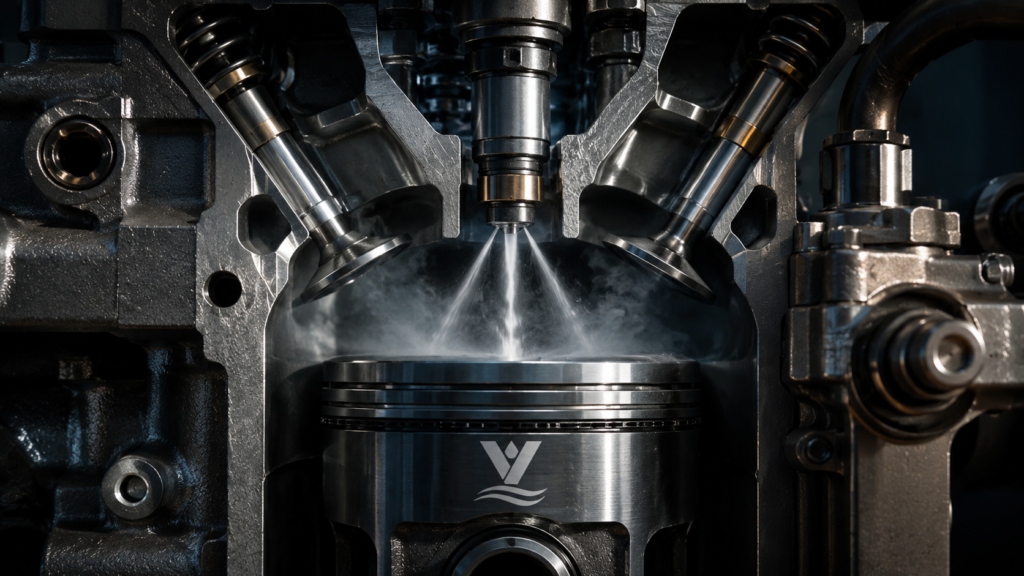
Fuel injectors are particularly vulnerable to deposit formation. Even minor contamination can disrupt spray patterns and reduce fuel atomization efficiency. As injector performance declines, combustion quality deteriorates further, creating a cycle of increasing inefficiency and mechanical stress. Over time, engines may experience power loss, rough operation, increased emissions, and reduced responsiveness.
Combustion chambers, intake systems, turbochargers, and exhaust components are similarly affected. Deposits restrict airflow, impair heat transfer, and reduce overall system performance. Heavy machinery fuel degradation often accelerates under demanding operating conditions where equipment runs continuously or experiences high workloads.
The financial consequences of deposit-related damage extend beyond repair expenses. Equipment downtime, productivity losses, and premature component replacement contribute significantly to total ownership costs. Organizations focused solely on fuel purchase prices often overlook these hidden operational expenses.
Accelerated Wear on Critical Components
Low-quality fuel can significantly increase wear throughout the engine and fuel delivery system. Contaminants such as water, particulate matter, and microbial growth create abrasive conditions that damage sensitive components over time. Fuel pumps, injectors, seals, valves, and combustion surfaces all become vulnerable when fuel quality declines.
Water contamination is particularly destructive because it promotes corrosion within tanks, fuel lines, and engine components. Corrosion weakens system integrity and introduces additional particles into the fuel stream, further accelerating wear. In severe cases, corrosion-related failures can require extensive repairs or complete component replacement.
The impact on heavy machinery is especially significant because these assets often operate under demanding conditions where reliability is critical. Construction equipment, industrial generators, mining vehicles, and transportation fleets depend on consistent performance to maintain productivity. Accelerated wear reduces equipment availability and increases maintenance requirements, affecting operational efficiency across the organization.
As equipment ages, the cumulative effects of fuel-related wear become increasingly evident. Businesses may experience rising maintenance expenses, more frequent breakdowns, and declining asset value. These hidden costs often far exceed any savings achieved through lower-quality fuel procurement.
Maintenance costs represent one of the most visible consequences of poor fuel quality. Engines exposed to contaminated fuel typically require more frequent servicing due to increased component wear, deposit accumulation, and fuel system contamination.
Maintenance teams may observe recurring injector failures, clogged fuel filters, pump malfunctions, emissions system issues, and combustion-related performance problems. While individual repairs may appear isolated, recurring issues across multiple assets often indicate underlying fuel quality concerns.
Fleet maintenance costs can escalate rapidly when fuel-related problems affect numerous vehicles simultaneously. Labor expenses, replacement parts, diagnostic procedures, and equipment downtime all contribute to rising maintenance budgets. In many cases, businesses mistakenly attribute these costs to equipment age rather than identifying fuel quality as the root cause.
Preventive maintenance programs become less effective when contaminated fuel continually introduces new operational challenges. Organizations may find themselves trapped in a cycle of recurring repairs without addressing the underlying issue affecting equipment reliability.
Few operational challenges are more expensive than unexpected downtime. When critical equipment becomes unavailable due to fuel-related failures, productivity declines immediately. Construction projects experience delays, transportation schedules are disrupted, manufacturing output decreases, and customer commitments become more difficult to fulfill.
The costs associated with downtime extend beyond repair expenses. Businesses may incur contractual penalties, overtime labor costs, rental equipment fees, and lost revenue opportunities. For organizations operating within competitive markets, service interruptions can also damage customer relationships and brand reputation.
Heavy industrial operations are particularly vulnerable because equipment often serves as a critical production asset. A single machine failure may affect multiple workflows, creating cascading operational disruptions that extend throughout the organization. Reliable equipment performance therefore depends heavily on maintaining consistent fuel quality standards.
Premium petroleum solutions help reduce these risks by supporting cleaner combustion, protecting engine components, and improving overall equipment reliability. Businesses that prioritize fuel quality often experience stronger operational continuity and lower exposure to costly disruptions.
Heavy machinery and commercial fleet vehicles represent substantial capital investments. Organizations expect these assets to deliver productive service over many years while generating favorable returns on investment. Low-quality fuel undermines these objectives by accelerating deterioration and reducing equipment lifespan.
Premature wear, recurring repairs, and chronic performance issues often shorten the useful life of engines and related systems. Businesses may be forced to replace equipment earlier than anticipated, increasing capital expenditure requirements and reducing overall asset utilization.
Reduced equipment longevity also affects resale value. Buyers evaluating used machinery frequently consider maintenance history, engine condition, and operational performance. Assets exposed to prolonged fuel contamination may command lower market values due to visible wear and reliability concerns.
From a financial perspective, shortened asset lifespan represents one of the most significant hidden costs associated with poor fuel quality. The impact extends far beyond maintenance budgets and influences long-term capital planning strategies.
As industrial organizations become more focused on operational efficiency and asset optimization, fuel sourcing strategies are evolving accordingly. Businesses increasingly recognize that fuel quality should be evaluated as part of total ownership cost rather than treated solely as a procurement expense.
Premium petroleum solutions provide significant advantages by maintaining consistent fuel quality standards, reducing contamination risks, and supporting optimal engine performance. Rigorously tested fuels help minimize deposit formation, improve combustion efficiency, protect fuel systems, and extend equipment longevity.
Reliable fuel suppliers often implement comprehensive quality control processes including laboratory testing, contamination monitoring, proper storage procedures, and supply chain integrity measures. These practices help ensure fuel consistently meets performance specifications while reducing operational risk.
Organizations that invest in premium fuel frequently experience lower maintenance costs, improved fuel economy, longer equipment lifespan, and stronger operational reliability. While premium products may involve higher upfront procurement costs, the long-term financial benefits often outweigh the initial price difference.
Modern fleet management increasingly emphasizes predictive maintenance, operational efficiency, sustainability, and asset optimization. Fuel quality plays an essential role within each of these priorities because it directly affects equipment performance and lifecycle costs.
Advanced engines and emissions systems are becoming more sensitive to contamination, making fuel quality management increasingly important. Businesses adopting data-driven maintenance strategies often discover strong correlations between fuel quality and long-term equipment reliability.
At the same time, economic pressures are encouraging organizations to evaluate total cost of ownership more carefully. Procurement decisions based solely on fuel price are gradually giving way to broader assessments that consider maintenance expenses, downtime risks, asset longevity, and operational productivity.
This shift reflects a growing recognition that fuel is not merely a consumable resource but a strategic operational input capable of influencing every aspect of equipment performance and business success.
The hidden costs of low-quality industrial fuel extend far beyond reduced engine performance. Contaminated or degraded fuel contributes to harmful deposit accumulation, accelerated component wear, increased maintenance frequency, higher fleet maintenance costs, unexpected downtime, shortened equipment lifespan, and reduced operational efficiency. These consequences often develop gradually, making them easy to overlook until significant financial and operational damage has occurred.
Businesses operating heavy machinery, commercial fleets, and industrial equipment cannot afford to view fuel quality as a secondary concern. Reliable equipment performance, operational continuity, and long-term profitability depend heavily on consistent access to high-quality fuel.
By investing in premium petroleum solutions and partnering with suppliers committed to rigorous quality standards, organizations can protect valuable assets, improve fuel efficiency, reduce maintenance expenses, and strengthen overall operational resilience. In today’s competitive industrial environment, fuel quality is not simply a procurement consideration it is a strategic investment in equipment longevity, productivity, and sustainable business success.
© 2026 Vastly Blog. All rights reserved.