
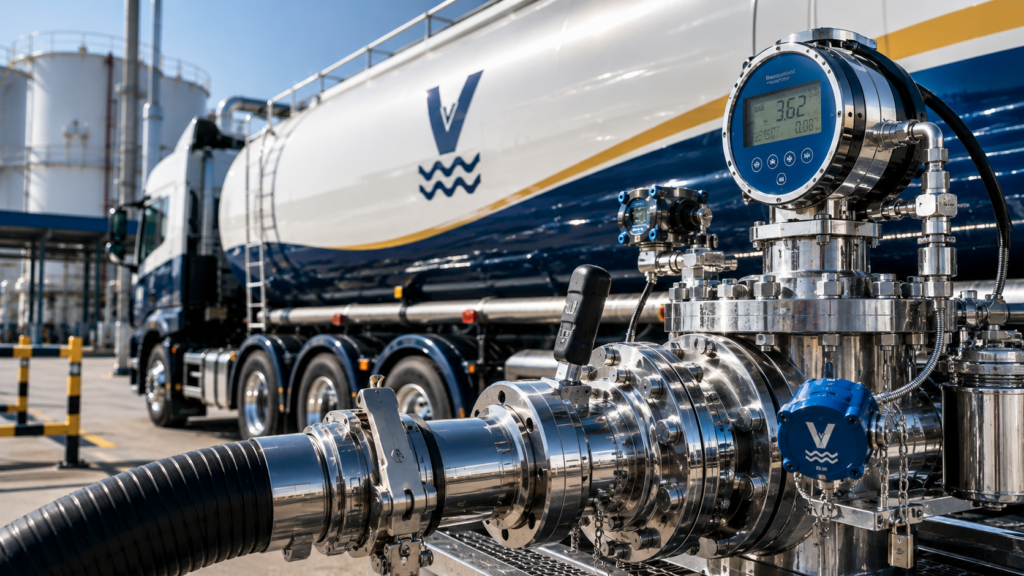
Water and sediment contamination during transport is a quiet killer for industrial engines. At Vastly, our state-of-the-art transportation network utilizes dedicated, sealed tankers and rigorous inspection protocols to guarantee product purity from our facility to your doorstep. While many businesses focus on fuel pricing, supplier selection, and inventory management, the journey fuel takes between the storage terminal and the end user is equally important. Even high-quality fuel can lose its integrity if contamination occurs during transportation. For industrial operators, fleet managers, and procurement professionals, fuel contamination during transit represents a hidden risk capable of damaging equipment, increasing maintenance costs, reducing operational efficiency, and disrupting critical business activities.
As modern industrial machinery and commercial vehicles become increasingly sophisticated, fuel quality standards have become more demanding. Today’s engines rely on precision fuel injection systems and advanced emissions technologies that are highly sensitive to contaminants. A single contamination event can have consequences that extend far beyond fuel replacement costs. It can impact equipment reliability, production schedules, operational continuity, and long-term asset performance. This reality has elevated advanced logistics fuel transport from a simple delivery function to a critical component of fuel supply chain integrity.
Fuel contamination can occur at multiple stages throughout the supply chain, but transportation remains one of the most vulnerable points. During transit, fuel may be exposed to environmental factors, equipment failures, handling errors, or inadequate storage conditions that compromise product quality. Water intrusion, sediment accumulation, microbial growth, and cross-product contamination are among the most common threats faced during transportation.
For businesses operating fleets, heavy machinery, generators, construction equipment, or industrial facilities, contaminated fuel creates significant operational challenges. Modern diesel engines, in particular, are highly susceptible to contamination-related issues. Water can reduce lubrication within fuel systems, accelerate corrosion, and promote microbial growth. Sediment particles can clog filters, damage injectors, and disrupt fuel flow. These problems often lead to increased maintenance requirements, reduced engine performance, and costly downtime.
The financial consequences can be substantial. Equipment repairs, productivity losses, emergency maintenance interventions, and operational disruptions can collectively exceed the value of the fuel itself. As a result, organizations increasingly recognize that protecting fuel quality throughout transportation is essential for maintaining operational efficiency and controlling long-term costs.
Advanced logistics fuel transport involves far more than moving fuel from one location to another. It encompasses a comprehensive system of quality control measures designed to preserve fuel integrity throughout the delivery process. This approach combines specialized transportation equipment, rigorous operating procedures, continuous monitoring, and strict compliance standards to minimize contamination risks.
The objective is simple but critical: ensuring that fuel arriving at the customer’s facility maintains the same quality characteristics it possessed when leaving the supplier’s storage terminal. Achieving this goal requires attention to every detail within the transportation process.
Modern logistics providers invest heavily in infrastructure, technology, training, and quality assurance programs because contamination prevention protocols directly influence customer outcomes. Businesses relying on fuel-powered operations need confidence that every delivery will meet performance expectations without introducing avoidable risks.
In today’s competitive industrial environment, transportation quality has become a strategic differentiator that separates premium fuel suppliers from organizations focused solely on volume distribution.
One of the most effective methods of preventing fuel contamination during transit is the use of dedicated sealed tanker systems. These specialized transport vehicles are designed to minimize exposure to external contaminants while preserving product purity throughout the delivery journey.
Sealed tanker systems create a controlled environment that protects fuel from moisture ingress, airborne particles, and environmental exposure. By maintaining system integrity throughout loading, transportation, and unloading operations, these tankers significantly reduce opportunities for contamination to occur.
Dedicated fuel transport equipment provides an additional layer of protection. When tankers are used exclusively for petroleum products, the risk of cross-product contamination is minimized. This is particularly important because even trace residues from incompatible substances can compromise fuel quality and affect equipment performance.
For industrial operators evaluating transportation partners, the quality of tanker infrastructure should be viewed as a critical factor in supplier selection. Advanced tanker technology represents a direct investment in product protection and customer reliability.
The adoption of sealed tanker systems has become an industry best practice because it supports consistent fuel quality while strengthening overall transportation safety standards.
Water contamination remains one of the most significant threats to fuel quality during transportation. Moisture can enter fuel systems through condensation, environmental exposure, or equipment deficiencies. Once present, water can trigger a range of mechanical and operational problems.
Advanced logistics providers address this challenge through sophisticated water removal technology and moisture management strategies. These systems are designed to identify, separate, and eliminate water before it reaches customer storage facilities or equipment.
Water contamination is particularly problematic for diesel-powered operations because it accelerates corrosion, encourages microbial activity, and compromises combustion efficiency. Even small amounts of moisture can create long-term reliability concerns if left untreated.
Effective moisture control requires a combination of engineering controls and operational discipline. Regular inspections, equipment maintenance, drainage procedures, and quality testing all contribute to contamination prevention efforts.
Organizations that prioritize water management throughout transportation are better positioned to maintain fuel purity standards and support reliable equipment performance.
Sediment contamination presents another major challenge within fuel transportation systems. Particulate matter can originate from storage tanks, transportation equipment, environmental exposure, or fuel degradation processes. Regardless of the source, sediment poses a serious threat to modern engines and fuel systems.
Advanced logistics operations utilize filtration technologies designed to remove particulate contaminants before fuel reaches the end user. These systems help maintain cleanliness levels that align with modern fuel quality requirements and equipment specifications.
Particulate contamination often causes gradual performance degradation rather than immediate failure. Filters may clog more frequently, injectors may experience reduced efficiency, and fuel systems may operate under increased stress. Over time, these issues contribute to higher maintenance costs and reduced equipment reliability.
Sediment filtration supports both operational performance and asset protection by ensuring cleaner fuel delivery. Businesses investing heavily in machinery and fleet assets benefit significantly from transportation systems capable of maintaining stringent cleanliness standards throughout the supply chain.
As equipment manufacturers continue developing increasingly precise fuel systems, particulate control will remain an essential component of transportation quality assurance programs.
Technology alone cannot eliminate contamination risks. Effective quality assurance also depends on comprehensive inspection protocols that verify compliance throughout every stage of transportation. Inspection procedures provide a systematic framework for identifying potential issues before they affect customers.
At leading fuel suppliers, inspection protocols begin before loading and continue throughout transportation and delivery operations. Equipment condition, tanker cleanliness, sealing integrity, fuel quality parameters, and operational procedures are all subject to verification processes designed to maintain product integrity.
These inspections serve multiple purposes. They help identify equipment deficiencies, validate compliance with operational standards, support regulatory requirements, and provide confidence that fuel quality remains consistent throughout transit.
Rigorous inspection protocols also strengthen accountability within logistics operations. By establishing clear procedures and documentation requirements, organizations create a culture focused on quality and continuous improvement.
For procurement professionals responsible for supplier evaluation, robust inspection programs provide a strong indication of a supplier’s commitment to fuel quality assurance and operational excellence.
The relationship between contamination prevention and equipment longevity is both direct and measurable. Clean fuel supports efficient combustion, reduces component wear, and minimizes stress on critical systems. Contaminated fuel produces the opposite effect, accelerating deterioration and increasing maintenance requirements.
Industrial operators often evaluate fuel suppliers based on pricing considerations alone. However, a broader perspective reveals that transportation quality can significantly influence total ownership costs associated with equipment and fleet operations.
Fuel contamination during transit can shorten component lifespan, increase repair frequency, and reduce overall equipment availability. These outcomes affect productivity, profitability, and operational continuity. By contrast, effective contamination prevention supports consistent performance and helps maximize asset utilization.
Reliability is particularly important in industries where downtime carries significant financial consequences. Manufacturing facilities, logistics providers, construction operations, and energy-intensive businesses depend on uninterrupted equipment performance to meet operational objectives.
Advanced logistics solutions contribute directly to operational reliability by ensuring fuel quality remains consistent from origin to destination.
Supply chain integrity has become a central priority across industrial sectors. Businesses increasingly recognize that product quality must be maintained throughout every stage of the supply chain rather than simply verified at the point of production.
Fuel transportation plays a critical role within this broader framework. Fuel supply chain integrity depends on the ability to preserve product quality while minimizing operational risks. Advanced logistics providers contribute to this objective by implementing systems that prioritize contamination prevention, quality assurance, and transportation safety.
This emphasis on integrity aligns with broader industry trends focused on operational resilience, risk management, and continuous improvement. Organizations seeking reliable fuel partnerships increasingly evaluate suppliers based on their ability to maintain quality throughout transportation rather than focusing solely on procurement costs.
As industrial operations become more complex and performance expectations continue rising, transportation quality will remain a key differentiator within the fuel supply industry.
Technological innovation continues transforming fuel logistics. Digital monitoring systems, predictive maintenance platforms, automated inspection tools, and real-time quality tracking technologies are creating new opportunities to strengthen contamination prevention efforts.
These advancements support greater visibility throughout the transportation process while enabling faster identification of potential issues. Logistics providers capable of integrating technology with established quality assurance practices will be better positioned to meet evolving customer expectations.
The future of fuel transportation will increasingly emphasize transparency, traceability, and proactive risk management. Businesses seeking long-term operational reliability should prioritize partnerships with suppliers that invest in modern logistics infrastructure and quality-focused transportation systems.
As fuel quality standards continue advancing, contamination prevention will become even more important for protecting equipment performance and maintaining operational efficiency.
Preventing fuel contamination during transit is essential for protecting industrial equipment, maintaining operational reliability, and controlling long-term maintenance costs. Water intrusion, sediment accumulation, and other contaminants can compromise fuel quality, damage engines, and create significant financial consequences for businesses that depend on fuel-powered operations.
Advanced logistics fuel transport addresses these challenges through sealed tanker systems, water removal technology, sediment filtration, rigorous inspection protocols, and comprehensive quality assurance programs. These measures work together to preserve fuel purity standards while strengthening fuel supply chain integrity.
For industrial operators, fleet managers, procurement professionals, and logistics decision-makers, transportation quality should be considered a critical component of fuel sourcing strategy. By partnering with suppliers that prioritize contamination prevention protocols and transportation safety, organizations can protect valuable assets, reduce operational risks, and achieve greater efficiency across their operations.
At Vastly, maintaining product purity from our facility to your doorstep is more than a service commitment. It is a core operational principle designed to help customers maximize performance, protect equipment investments, and operate with confidence in every fuel delivery.
© 2026 Vastly. All rights reserved.