
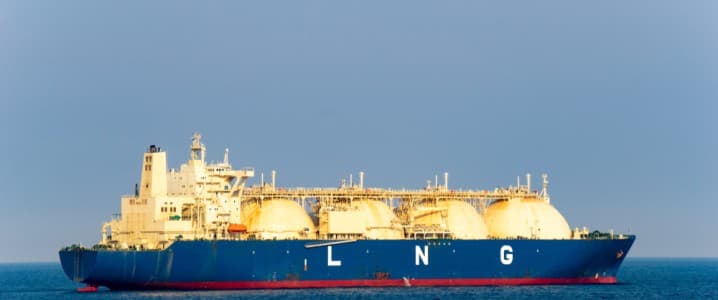
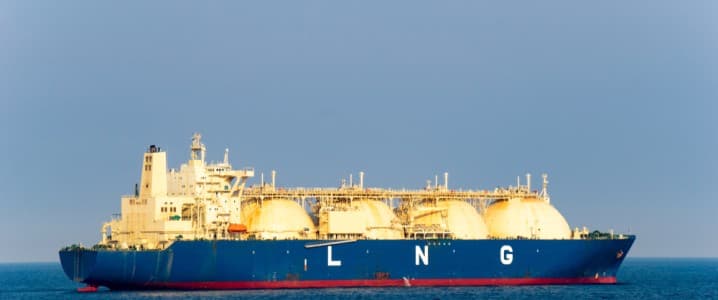
China’s decision to resell record volumes of liquefied natural gas is reshaping global energy markets at a time when the world is grappling with a severe gas supply crunch. As one of the largest LNG importers, China’s role in redirecting cargoes rather than consuming them domestically has introduced a new layer of complexity to global gas trade flows.
The move reflects a strategic adjustment in response to changing domestic demand conditions and international price signals. Instead of absorbing contracted LNG supplies into its own energy system, China has increasingly acted as an intermediary in the global market, sending cargoes to regions where prices are significantly higher. This shift has drawn attention from traders, policymakers, and energy analysts who are closely monitoring how China’s actions are influencing global supply availability.
At a time when energy markets are already under strain, China’s LNG resales are playing a critical role in balancing supply shortages and redistributing resources across regions facing acute demand pressures.
On January 22nd, a major milestone was achieved as China Petroleum Engineering & Construction Corporation (CPECC) held the official signing ceremony for the West Qurna-1 Oilfield Water Injection Project at its headquarters.
This initiative marks the largest EPC (Engineering, Procurement, and Construction) contract since CNPC (China National Petroleum Corporation) assumed the lead role at Iraq’s West Qurna-1 one of the world’s largest oilfields.
The global gas crunch has been driven by a combination of constrained supply and rising demand across key markets. Factors such as limited production growth, infrastructure bottlenecks, and geopolitical tensions have reduced the availability of natural gas in international markets.
At the same time, demand for LNG has increased as countries seek alternatives to pipeline gas and more flexible energy sources. This has been particularly evident in regions facing energy security challenges, where LNG imports provide a vital lifeline for power generation and industrial activity.
The imbalance between supply and demand has pushed LNG prices higher, creating strong incentives for traders and buyers to secure available cargoes. In this environment, the ability to redirect shipments to higher-paying markets has become a valuable strategy.
The divergence in regional gas prices has created arbitrage opportunities that China has actively leveraged. By reselling LNG cargoes purchased under long-term contracts, Chinese firms can capitalize on price differences between domestic and international markets.
This practice has become more prominent as global LNG prices have surged, making it economically attractive to divert shipments away from domestic consumption. The resulting flows of LNG toward higher-priced markets have helped alleviate shortages in some regions while also reinforcing China’s influence in global energy trade.
Such dynamics illustrate how market conditions can transform traditional importers into active participants in global redistribution of energy resources.
One of the key drivers behind China’s LNG resales is the state of its domestic energy demand. Fluctuations in industrial activity, economic growth, and energy consumption patterns can reduce the immediate need for imported gas. When domestic demand softens, surplus LNG becomes available for resale.
At the same time, high global prices create a financial incentive to sell rather than consume imported gas. This allows Chinese companies to optimize their energy portfolios by balancing domestic needs with international trading opportunities.
The ability to resell LNG also reflects the flexibility built into China’s long-term supply agreements, which often allow for destination adjustments under certain conditions. This flexibility has become increasingly valuable in a volatile market environment.
China’s approach to LNG resales also aligns with its broader energy strategy. By participating actively in global LNG markets, the country enhances its role as both a major buyer and a key intermediary in energy trade.
This positioning allows China to influence market flows and respond dynamically to changing conditions. It also strengthens relationships with trading partners and reinforces the country’s presence in international energy markets.
As global energy systems become more interconnected, such strategies are likely to play an increasingly important role in shaping trade dynamics.
China’s reselling of LNG cargoes has contributed to a redistribution of supply toward regions experiencing the most severe shortages. This has been particularly important for countries facing energy deficits, where access to additional LNG can help stabilize power generation and industrial output.
However, this redistribution also highlights the competitive nature of LNG markets. Buyers must often compete for available cargoes, driving prices higher and increasing volatility. China’s role as a reseller adds another layer of competition, as it effectively becomes both a supplier and a buyer in the global market.
The result is a more dynamic and interconnected LNG trade system, where flows are increasingly determined by price signals and market conditions.
The global gas crunch has made LNG markets highly sensitive to shifts in supply and demand. China’s decision to resell large volumes of LNG can influence price trends, particularly when it affects the availability of cargoes in key regions.
When additional supply enters the market through resales, it can provide temporary relief and moderate price increases. Conversely, if China retains more LNG for domestic use, global supply could tighten further, pushing prices upward.
This dynamic underscores the importance of monitoring China’s energy decisions as a key factor in global LNG market behavior.
China’s LNG resales have broader implications for energy security and international trade relationships. By acting as a supplier in certain contexts, China can strengthen ties with importing nations while also enhancing its influence in global energy markets.
At the same time, the reliance on resold LNG highlights vulnerabilities in the global energy system. Countries facing shortages must depend on market availability, which can be affected by decisions made by major players like China.
This interconnectedness emphasizes the need for diversified energy strategies and robust supply chains to ensure stability.
The current trend of LNG resales may also signal longer-term changes in how energy markets operate. As flexibility becomes more important, contracts and trading practices are likely to evolve to accommodate shifting demand patterns and price conditions.
China’s actions demonstrate how major economies can adapt to these changes, using market mechanisms to optimize their energy strategies. This could influence how other countries approach LNG procurement and trade in the future.
Looking forward, the trajectory of LNG markets will depend on several factors, including global economic conditions, production capacity, and geopolitical developments. China’s role as both a major importer and an active reseller will remain a key variable influencing supply flows and pricing dynamics.
If the global gas crunch persists, the demand for flexible LNG supplies is likely to remain strong. This could reinforce the importance of secondary trading markets and the ability to redirect cargoes efficiently.
At the same time, shifts in domestic demand within China could alter the balance between consumption and resale, affecting global availability. Energy markets will therefore continue to watch China’s import and trading strategies closely.
Ultimately, the record level of LNG resales underscores the evolving nature of global energy trade. As markets become more interconnected and responsive to price signals, the actions of major players like China will play a decisive role in shaping the future of energy supply and distribution.