
China oil stockpiles are rapidly becoming a defining factor in global energy markets as Beijing accelerates efforts to shield its economy from increasingly frequent supply disruptions. In a world where crude oil supply chains are under constant pressure from geopolitical tensions, shipping constraints, and production volatility, China’s decision to expand its reserves reflects a calculated move to enhance energy security and reduce exposure to external shocks. This strategy is not only about domestic stability but also signals China’s growing influence over global oil market dynamics.
The expansion of China oil stockpiles is fundamentally a response to the rising threat of crude oil supply shocks. Recent years have demonstrated how quickly disruptions can ripple across global markets, whether due to conflict in key producing regions or logistical bottlenecks along critical trade routes. By increasing its reserves, China is effectively building a buffer that allows it to maintain steady energy supply even when global conditions deteriorate.
This approach provides policymakers with greater flexibility, enabling them to release reserves during shortages or accumulate additional volumes when market conditions are favorable. It also reduces the need for reactive measures during crises, allowing for more controlled and strategic responses.
China’s stockpiling efforts are closely aligned with market trends, particularly during periods of price weakness. By purchasing crude oil when prices are relatively low, the country can optimize the cost of building its reserves while simultaneously supporting its long-term energy strategy. This reflects a sophisticated understanding of market cycles and highlights the role of timing in maximizing the effectiveness of stockpiling initiatives.
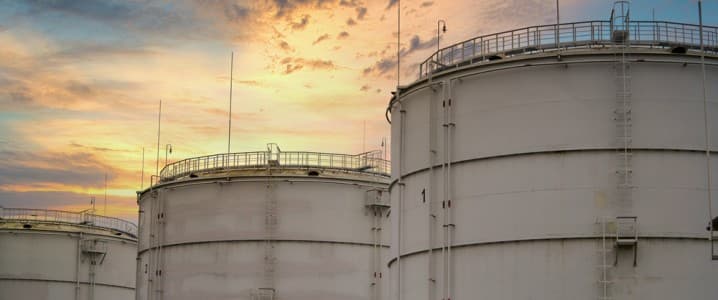
A key component of China’s energy strategy is the continued expansion of its strategic petroleum reserve system. These government-controlled reserves are designed to provide a reliable source of supply during emergencies, ensuring that critical sectors of the economy remain operational even under adverse conditions. The scale of investment in these facilities underscores the importance Beijing places on energy resilience.
In addition to state reserves, commercial storage capacity is also being expanded, creating a more flexible and diversified storage network. This combination allows China to manage its oil inventories more effectively, balancing strategic needs with commercial considerations.
The development of storage infrastructure is part of a broader effort to strengthen China’s oil supply chain. By increasing storage capacity, the country can better manage fluctuations in imports and domestic demand, reducing the risk of supply shortages. This also enables China to respond more effectively to disruptions in global shipping routes, which have become a growing concern in recent years.
As the world’s largest importer of crude oil, China plays a pivotal role in determining global demand trends. The expansion of China oil stockpiles can have a significant impact on market dynamics, particularly when it involves large-scale purchases. Increased buying activity can support oil prices, while the release of reserves during supply disruptions can help stabilize markets.
This dual influence makes China a critical player in the global energy landscape. Market participants closely monitor its stockpiling behavior as an indicator of future price movements and supply-demand balance.
China’s stockpiling strategy also has broader implications for global energy security. By securing its own supply, the country reduces the likelihood of sudden demand spikes during crises, which can exacerbate market volatility. At the same time, the concentration of large reserves in a single country highlights the uneven distribution of energy resources and the importance of strategic planning for other nations.
Geopolitical tensions are a major driver of China’s decision to expand its oil stockpiles. Conflicts in key regions and uncertainties surrounding major transit routes have increased the risk of supply disruptions, prompting countries to reassess their energy security strategies. For China, which relies heavily on imported oil, these risks are particularly significant.
By building up reserves, China is taking proactive steps to mitigate the impact of geopolitical instability. This approach reflects a broader trend among major economies to prioritize resilience in the face of growing uncertainty.
While China will continue to rely on imports for the foreseeable future, expanding oil stockpiles helps reduce its vulnerability to external pressures. This includes not only supply disruptions but also potential price shocks and geopolitical leverage from exporting nations. The ability to draw on reserves provides a degree of independence that is increasingly valuable in a complex global energy environment.
The expansion of China oil stockpiles represents a broader shift toward energy resilience, where countries prioritize stability and security alongside economic efficiency. This shift is likely to have lasting effects on global energy markets, influencing how supply chains are structured and how risks are managed.
For China, continued investment in storage capacity and strategic reserves will remain a key component of its energy policy. This will not only support domestic stability but also enhance the country’s ability to navigate future market disruptions.
Looking ahead, China’s stockpiling strategy will continue to shape global oil market trends. Its decisions regarding when to buy or release oil can influence price movements and market sentiment, making it a central player in the global energy system. As supply shocks become more frequent, the importance of strategic reserves is likely to grow, further reinforcing China’s role in the market.
In conclusion, the expansion of China oil stockpiles in response to global supply shocks highlights the evolving nature of energy security in a volatile world. By building robust reserves and enhancing its supply chain resilience, China is positioning itself to manage future uncertainties more effectively. This strategy not only strengthens its domestic energy security but also has far-reaching implications for global oil markets, underscoring the interconnectedness of today’s energy landscape.