
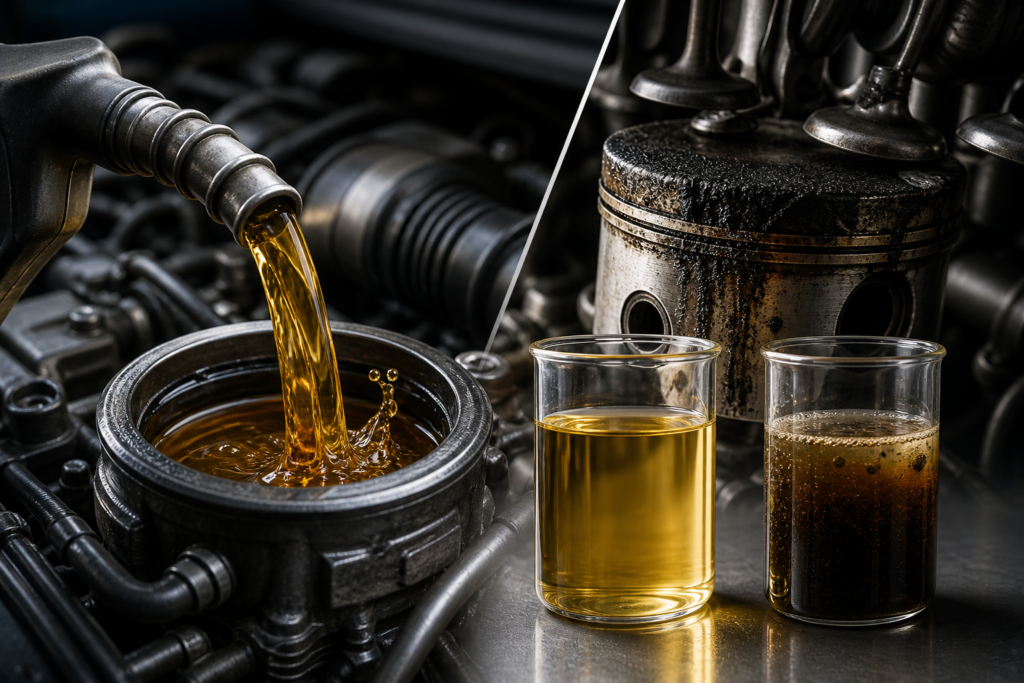
Fuel adulteration has become one of the most overlooked yet damaging issues affecting modern vehicles, especially in regions where fuel quality monitoring is inconsistent. For vehicle owners, fleet operators, and automotive technicians, understanding how fuel adulteration affects engine performance is essential because poor fuel quality can quietly degrade engine efficiency, increase maintenance costs, and shorten vehicle lifespan. Whether it involves mixing petrol or diesel with lower-grade solvents, kerosene, industrial chemicals, or contaminated water, adulterated fuel changes the chemical behavior of combustion, often leading to serious mechanical consequences.
At its core, fuel adulteration refers to the intentional or accidental contamination of fuel by adding foreign substances that reduce purity and alter combustion characteristics. This usually happens to increase profit margins in fuel distribution or due to poor storage and handling practices. In gasoline engines, adulterated fuel often lowers octane ratings, while in diesel engines, it may reduce cetane value and lubrication quality. Both situations create combustion instability, causing engines to operate outside their designed performance range.
Engine performance depends heavily on consistent fuel quality. Every engine is calibrated to operate within specific combustion parameters, including ignition timing, compression ratios, and injector behavior. When fuel adulteration occurs, these parameters become disrupted, often causing incomplete combustion, irregular ignition, and increased residue formation.
In petrol engines, low-quality or adulterated fuel often leads to knocking, pinging, and pre-ignition. These combustion abnormalities happen because contaminated fuel burns unpredictably. Lower octane fuel ignites earlier than expected, producing pressure spikes inside the combustion chamber. Over time, this can damage pistons, spark plugs, cylinder heads, and exhaust valves. Drivers may notice reduced acceleration, sluggish throttle response, poor mileage, and rough idling as early warning signs.
Diesel engines face different but equally severe risks. When diesel is mixed with kerosene or solvents, the fuel loses lubricating properties essential for injectors and fuel pumps. Modern common-rail diesel systems operate under extremely high pressure, and poor lubrication accelerates wear on injectors and high-pressure pumps. This can result in hard starts, black smoke, increased emissions, reduced pulling power, and eventually catastrophic injector failure. In severe cases, engine seizure can occur due to improper combustion and excessive heat generation.
Fuel contamination with water introduces another layer of damage. Water in fuel can cause corrosion in tanks, fuel lines, injectors, and combustion components. In diesel engines, water contamination can also promote microbial growth inside storage tanks, creating sludge that blocks filters and fuel passages. This reduces fuel flow and increases strain on pumps and injection systems.
The most dangerous aspect of fuel adulteration is that damage often develops gradually. Drivers may initially dismiss symptoms such as lower fuel economy or occasional hesitation, but over time the cumulative effects become expensive. Carbon deposits build up faster on injectors, intake valves, turbochargers, catalytic converters, and diesel particulate filters. This reduces combustion efficiency and increases exhaust emissions.
Engines exposed to repeated fuel contamination may also experience accelerated oil degradation. Unburnt fuel can enter engine oil through blow-by gases, thinning lubrication and increasing internal wear. Bearings, piston rings, and camshaft components become vulnerable, which can significantly shorten engine life. Vehicles that regularly consume poor-quality fuel often require earlier replacement of spark plugs, filters, injectors, oxygen sensors, and emission control components.
Detecting fuel adulteration early can prevent major repair costs. One of the most reliable indicators is sudden change in vehicle behavior immediately after refueling. If a vehicle begins misfiring, losing power, producing unusual smoke, or showing poor throttle response shortly after filling up, fuel quality should be investigated.
Visual inspection can offer useful clues. Petrol or diesel that appears cloudy, unusually dark, or separated into layers may indicate contamination. Water contamination often creates visible separation in stored fuel samples. Diesel contaminated with microbial growth may appear slimy or contain suspended particles. Strong chemical odors can also suggest unauthorized solvents or industrial additives.
Laboratory testing remains the most accurate detection method. Fuel quality testing measures octane, cetane, sulfur content, water percentage, flash point, density, and contamination levels. Fleet operators and workshops often use portable fuel analyzers for quick field testing. Advanced testing can detect traces of kerosene, solvents, alcohols, or other chemicals mixed into standard fuels.
Modern vehicles may also provide electronic warning signs. Engine control systems can detect irregular combustion through oxygen sensors, knock sensors, and fuel trim data. A check engine light, increased knock correction, abnormal fuel trims, or injector compensation values can indicate poor combustion linked to bad fuel. Diagnostic scans often reveal these hidden signs before mechanical failure becomes visible.
Prevention remains the best defense against fuel adulteration. Purchasing fuel from reputable stations with strong quality assurance processes significantly reduces risk. High-volume fuel stations usually have better tank turnover, lowering chances of contamination from water or sediment accumulation. Retaining fuel receipts can also help track quality issues if problems arise after refueling.
Routine maintenance is equally important. Fuel filters should be replaced on schedule because they capture contaminants before they reach sensitive engine components. Water separators in diesel systems should be drained regularly. Fuel tank cleaning is advisable for commercial fleets, especially in humid environments where condensation can contaminate stored fuel.
Fuel additives can provide additional protection but should not be viewed as a complete solution. Quality fuel system cleaners can help reduce carbon buildup, improve injector performance, and stabilize combustion. However, additives cannot fully reverse severe contamination or restore heavily adulterated fuel.
For fleet operators, fuel auditing and supplier verification are increasingly important. Periodic fuel sampling, digital supply chain monitoring, and tank condition inspections help maintain consistent fuel quality and reduce exposure to fraudulent fuel practices.
Fuel adulteration is far more than a fuel quality issue—it is a direct threat to engine performance, maintenance costs, and vehicle reliability. From combustion instability and injector wear to carbon buildup and long-term engine damage, the effects of contaminated fuel can quietly undermine even well-maintained vehicles. Recognizing early symptoms, performing fuel quality checks, and choosing reliable suppliers are essential steps for protecting engine health. In today’s increasingly complex automotive environment, awareness of fuel adulteration is no longer optional. It is a practical necessity for anyone who wants to preserve engine performance, improve fuel efficiency, and avoid costly repairs.