
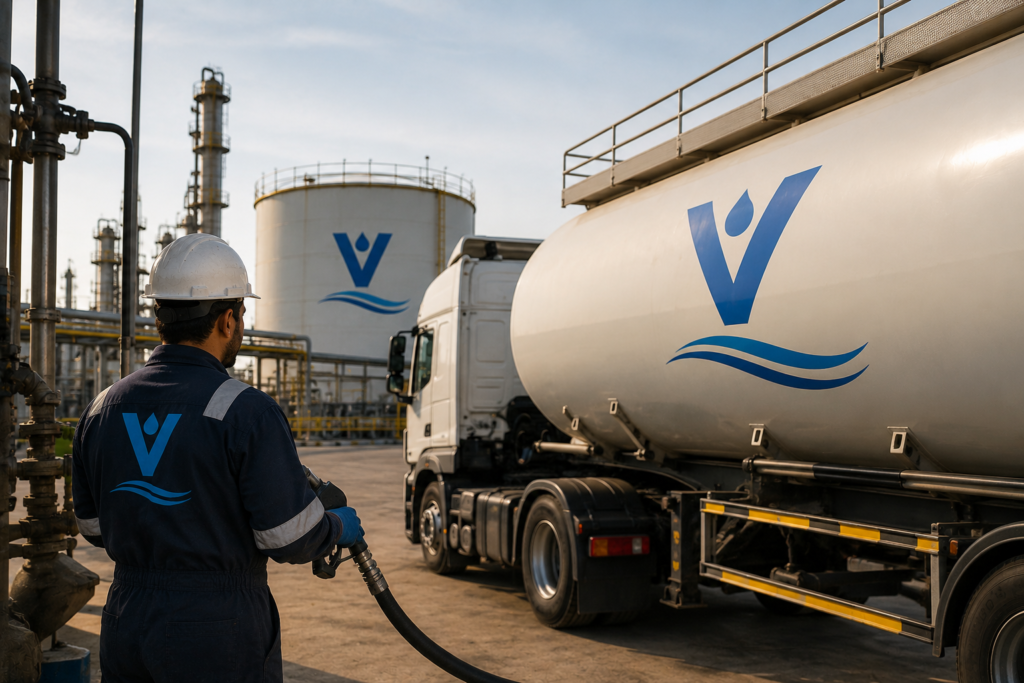
In today’s fast-moving commercial environment, operational continuity has become one of the most important factors influencing profitability, customer satisfaction, and long-term business growth. Across industries such as transportation, construction, manufacturing, logistics, marine operations, agriculture, and facility management, fuel remains a critical operational resource that directly supports productivity and daily business activities. While many companies focus heavily on reducing fuel costs and optimizing consumption, the reliability of fuel supply itself is often overlooked despite its significant influence on operational performance. Reliable fuel delivery has evolved into a strategic business requirement rather than a simple logistical service. Businesses that maintain uninterrupted fuel access are generally better positioned to achieve operational stability, improve workflow efficiency, and strengthen their competitive advantage in increasingly demanding markets.
The relationship between reliable fuel delivery and operational success is particularly evident in industries where even minor interruptions can trigger costly delays and productivity losses. Companies that invest in dependable business fuel solutions often experience smoother operational processes, improved asset utilization, and stronger financial predictability. At the same time, organizations dealing with inconsistent supply schedules or unreliable delivery partners frequently face operational disruptions that affect customer relationships, employee productivity, and revenue generation. As global supply chains become more interconnected and customer expectations continue rising, improving operational efficiency with fuel delivery has become an essential component of strategic business planning.
Fuel is not simply another operational expense. For many businesses, it represents the foundation of daily operational continuity. Transportation fleets require fuel to maintain delivery schedules, construction equipment depends on uninterrupted energy access to avoid project delays, industrial facilities rely on fuel-powered machinery for production continuity, and backup generators require consistent supply availability to protect against power disruptions. Without reliable fuel delivery, businesses face increased vulnerability to downtime, workflow interruptions, and operational instability.
Operational efficiency is closely linked to predictability. Companies function most effectively when resources arrive consistently, schedules remain stable, and operational systems experience minimal disruption. Reliable fuel delivery contributes directly to this predictability by ensuring businesses maintain sufficient supply levels without operational interruptions. This consistency allows management teams to focus on strategic growth, workforce productivity, and customer service rather than reacting to avoidable supply emergencies.
Businesses that operate across multiple locations or manage large transportation networks are especially dependent on fuel delivery efficiency. Delayed fuel shipments can affect route planning, workforce scheduling, production timelines, and service commitments simultaneously. In highly competitive sectors where timing and reliability influence customer retention, operational disruptions caused by fuel shortages can create lasting reputational damage in addition to immediate financial losses.
Downtime remains one of the most expensive operational challenges businesses can experience. Equipment inactivity, delayed deliveries, halted production lines, and idle workforce hours all contribute to lost revenue and reduced profitability. Reliable fuel delivery significantly reduces these risks by ensuring critical operations remain continuously supported without unnecessary interruptions.
In fleet-dependent industries, vehicle downtime caused by fuel shortages creates a chain reaction of operational inefficiencies. Delivery schedules become delayed, driver productivity declines, customer commitments are missed, and logistical coordination becomes increasingly complicated. Reliable fuel suppliers help businesses avoid these operational disruptions by maintaining timely delivery schedules and ensuring adequate inventory availability during periods of high demand or market instability.
Construction and industrial sectors provide particularly strong examples of how fuel reliability influences productivity. Large infrastructure projects rely on heavy machinery operating continuously according to strict timelines. Even temporary fuel shortages can halt excavation, transportation, lifting operations, or material processing activities, potentially delaying entire projects and increasing operational expenses. Businesses that establish dependable fuel delivery partnerships are often better equipped to maintain project continuity and avoid costly scheduling setbacks.
Reliable fuel delivery also supports employee productivity by reducing operational uncertainty. Workers perform more efficiently when they can rely on stable workflows and uninterrupted equipment availability. Frequent operational disruptions create stress, scheduling confusion, and productivity decline, particularly in industries where coordination between multiple teams and suppliers is essential.
Financial predictability is another major advantage associated with dependable fuel delivery systems. Businesses require stable operational planning to manage budgets effectively, forecast expenses accurately, and maintain healthy cash flow management. Unreliable fuel supply often leads to emergency procurement decisions, unexpected transportation costs, rush delivery fees, and operational inefficiencies that increase overall business expenses.
Companies relying on inconsistent fuel supply chains frequently encounter price volatility because emergency purchases are often made under unfavorable market conditions. Reliable suppliers help businesses establish more stable procurement arrangements that support long-term financial planning and operational consistency. Predictable delivery schedules also reduce the need for excessive fuel storage, lowering infrastructure costs and minimizing inventory management complexity.
Fuel delivery impact on operations extends beyond direct procurement costs. Operational interruptions caused by delayed deliveries frequently generate indirect expenses through missed deadlines, customer dissatisfaction, overtime labor requirements, equipment idling, and lost productivity. Businesses focused solely on minimizing fuel purchase prices may overlook the broader operational value created by delivery reliability and service consistency.
Organizations that integrate reliable business fuel solutions into broader operational planning often gain stronger visibility into consumption trends, budgeting requirements, and future demand forecasting. This improved financial transparency allows decision-makers to allocate resources more effectively and reduce exposure to unexpected operational expenses.
Fleet management has become increasingly data-driven and strategically important in modern business operations. Transportation companies, logistics providers, delivery services, and field service organizations depend heavily on fuel availability to maintain operational performance and customer satisfaction. Reliable fuel delivery improves fleet management efficiency by reducing unnecessary route deviations, emergency refueling stops, and scheduling disruptions.
Businesses managing large vehicle fleets often rely on centralized fuel supply systems to streamline operational coordination. Consistent fuel availability allows fleet managers to optimize routes, monitor consumption patterns, and improve vehicle utilization rates without operational uncertainty. In contrast, inconsistent supply schedules force companies to implement reactive planning measures that reduce efficiency and increase administrative complexity.
Technology has further transformed the relationship between fuel delivery and logistics management. Advanced fuel monitoring systems, telematics platforms, automated inventory tracking, and predictive analytics now allow businesses to monitor fuel usage in real time and coordinate deliveries proactively. Reliable suppliers increasingly integrate digital reporting capabilities into their services, helping customers improve operational visibility and strengthen decision-making processes.
Businesses that combine reliable fuel delivery with modern fleet management technologies often experience measurable improvements in delivery accuracy, route optimization, fuel efficiency, and maintenance planning. These operational advantages contribute directly to stronger profitability and enhanced customer service performance.
The operational consequences of unreliable fuel delivery can be severe, particularly for businesses operating within time-sensitive industries. Supply interruptions create immediate logistical complications while also generating broader strategic risks that affect customer relationships, workforce management, and long-term business reputation.
Delayed fuel deliveries frequently disrupt operational schedules, forcing businesses to reschedule projects, reroute transportation assets, or temporarily suspend activities altogether. These disruptions often lead to increased labor expenses, inefficient resource utilization, and reduced operational output. In sectors such as logistics and transportation, missed delivery commitments can damage client trust and weaken competitive positioning.
Unreliable supply chains also complicate inventory management. Businesses facing inconsistent deliveries may attempt to compensate by maintaining excessive fuel reserves, increasing storage costs and operational risk exposure. Overreliance on emergency procurement strategies similarly reduces purchasing efficiency and creates financial unpredictability.
Customer satisfaction is another critical concern. Modern clients increasingly expect operational reliability, accurate delivery timelines, and uninterrupted service performance. Businesses unable to maintain consistent operations due to fuel supply instability may struggle to retain long-term customers in competitive markets where reliability strongly influences purchasing decisions.
Businesses increasingly recognize that fuel suppliers should function as strategic operational partners rather than transactional vendors. Reliable suppliers contribute directly to operational continuity, financial planning, and long-term business resilience. Companies that establish strong fuel supply partnerships often gain operational advantages that extend well beyond fuel availability itself.
Strategic fuel providers frequently offer value-added services such as automated delivery scheduling, consumption analytics, fuel quality monitoring, inventory management support, and emergency response capabilities. These integrated solutions help businesses streamline operations while improving decision-making accuracy and reducing administrative burden.
Competitive markets reward businesses capable of maintaining operational consistency during periods of market volatility or supply chain disruption. Organizations supported by dependable fuel delivery systems are generally better prepared to manage fluctuating demand conditions, transportation challenges, and unexpected operational pressures. This resilience strengthens customer confidence and enhances market reputation over time.
The growing importance of sustainability and operational efficiency is also influencing fuel delivery expectations. Many businesses now prioritize suppliers capable of supporting environmentally responsible practices, optimized delivery routing, emissions reduction initiatives, and digital operational transparency. Suppliers that align with these priorities are increasingly viewed as strategic contributors to long-term business development.
Technological innovation continues reshaping fuel delivery operations across global markets. Digital transformation within logistics and supply chain management has improved delivery accuracy, operational forecasting, and real-time communication between suppliers and customers. Businesses increasingly expect fuel delivery services to integrate seamlessly with broader operational management systems.
Artificial intelligence, predictive analytics, GPS fleet tracking, and automated dispatching systems are helping fuel suppliers improve service reliability while optimizing operational efficiency. These technologies reduce delivery delays, improve route planning, and enhance inventory coordination. Businesses benefiting from these systems often experience stronger operational control and improved responsiveness during periods of market uncertainty.
The broader economic environment is also influencing fuel delivery strategies. Supply chain disruptions, geopolitical tensions, inflationary pressures, and changing energy policies have highlighted the importance of resilient operational infrastructure. Businesses that previously treated fuel procurement as a secondary operational concern are now recognizing the strategic importance of dependable supply partnerships.
At the same time, evolving sustainability expectations are encouraging suppliers and customers alike to improve operational efficiency and reduce environmental impact. Companies investing in efficient delivery systems, optimized transportation routes, and advanced fuel monitoring technologies are often better positioned to achieve both operational and sustainability objectives simultaneously.
Reliable fuel delivery plays a critical role in improving business efficiency across modern industries. Beyond supporting daily operations, dependable fuel supply strengthens productivity, reduces downtime, improves financial predictability, enhances logistics performance, and supports long-term strategic growth. Businesses operating in transportation, logistics, construction, manufacturing, and industrial sectors depend heavily on uninterrupted fuel access to maintain operational continuity and competitive performance.
As market conditions become increasingly complex and customer expectations continue rising, organizations must view fuel delivery as a strategic operational function rather than a routine procurement activity. Businesses that establish strong supplier partnerships, adopt technology-driven fuel management systems, and prioritize delivery reliability are generally better equipped to manage operational risk and maintain consistent service quality.
The future of operational efficiency will depend heavily on supply chain resilience, technological integration, and strategic resource management. Reliable fuel delivery remains a foundational element within this evolving business landscape, helping organizations maintain stability, strengthen customer relationships, and improve overall operational performance in an increasingly competitive global economy.
© 2026 Vastly Blog. All rights reserved.