
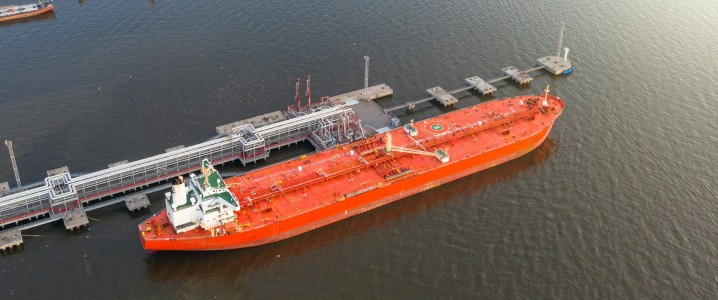
The Strait of Hormuz energy security framework is undergoing a profound shift as this historically vital chokepoint begins to lose its status as a reliable energy route. For decades, the narrow waterway has served as one of the most important arteries for global oil and LNG flows, handling a significant share of the world’s seaborne energy trade. However, escalating geopolitical tensions, security threats, and repeated disruptions are now forcing markets and policymakers to reconsider its reliability as a cornerstone of global energy supply chains.
This reassessment comes at a time when global energy markets are already facing heightened volatility. The concentration of supply through a single chokepoint has always represented a structural vulnerability, but recent developments have transformed that theoretical risk into a tangible concern. As a result, the Strait of Hormuz is no longer viewed as a guaranteed conduit for uninterrupted energy flows, prompting a strategic shift in how nations approach energy security.
The erosion of confidence in the Strait of Hormuz as a reliable energy route is closely tied to increasing geopolitical instability in the region. Ongoing tensions involving major regional and global powers have heightened the risk of disruptions, whether through direct conflict, threats to shipping, or indirect pressure on maritime operations. These risks have translated into greater uncertainty for oil traders, shipping companies, and energy importers.
Even the perception of instability can have a significant impact on markets. Insurance costs for tankers rise, shipping routes become more complex, and delays can ripple through supply chains. This environment has made it clear that reliance on a single chokepoint is increasingly untenable in a world marked by geopolitical fragmentation.
The Strait of Hormuz plays a central role in the movement of crude oil and liquefied natural gas from major producers in the Middle East to global markets. Any disruption, whether temporary or prolonged, has immediate consequences for supply availability and pricing. Recent incidents have demonstrated how quickly flows can be affected, reinforcing concerns about the vulnerability of global energy supply chains.
For LNG markets in particular, the implications are significant. As demand for natural gas continues to grow, especially in Asia, the reliability of supply routes becomes critical. Disruptions at Hormuz can lead to tighter markets, higher prices, and increased competition for available cargoes.
The declining reliability of the Strait of Hormuz has contributed to heightened volatility in global energy markets. Prices for crude oil and natural gas are increasingly sensitive to geopolitical developments in the region, with even minor incidents triggering sharp market reactions. This volatility reflects the central role of the chokepoint in global supply dynamics and the lack of immediate alternatives.
For traders and investors, this environment requires a more nuanced approach to risk management. Geopolitical analysis has become an essential component of market strategy, as the potential for disruption at Hormuz remains a key driver of price movements.
In response to these challenges, countries and companies are accelerating efforts to diversify energy routes and infrastructure. Investments in alternative pipelines, storage facilities, and shipping routes are gaining momentum as part of a broader strategy to reduce dependence on the Strait of Hormuz.
These initiatives are not limited to producing countries. Importing nations are also seeking to enhance resilience by diversifying suppliers, increasing strategic reserves, and exploring new trade partnerships. This shift reflects a fundamental change in how energy security is defined, moving away from reliance on a single route toward a more distributed and flexible system.
The changing status of the Strait of Hormuz as a reliable energy route is prompting a reevaluation of energy security policies worldwide. Governments are increasingly focused on building resilience into their energy systems, recognizing that traditional assumptions about supply stability may no longer hold.
This includes not only physical infrastructure but also regulatory frameworks, emergency response mechanisms, and international cooperation. The goal is to create a system that can withstand disruptions without causing significant economic or social disruption.
The risks associated with Hormuz are also influencing investment decisions across the energy sector. There is growing interest in alternative energy sources, including renewables, as well as in technologies that can enhance efficiency and reduce dependence on imported fuels.
At the same time, investments in upstream production, midstream logistics, and downstream processing are being shaped by the need for greater flexibility and resilience. This trend is likely to have long-term implications for the structure of global energy markets and the distribution of investment capital.
As the Strait of Hormuz loses its status as a reliable energy route, global trade patterns are beginning to shift. Producers and consumers alike are exploring new pathways for energy flows, whether through alternative maritime routes or overland infrastructure. These changes are reshaping the geography of energy trade and creating new opportunities and challenges for market participants.
The shift also reflects broader geopolitical dynamics, as countries seek to secure their energy needs in an increasingly uncertain world. Strategic alliances, trade agreements, and infrastructure projects are all being influenced by the need to mitigate risks associated with chokepoints like Hormuz.
Looking ahead, the implications of this shift are likely to be far-reaching. The Strait of Hormuz will remain an part of global energy infrastructure, but its role is evolving. Rather than being seen as a stable and reliable route, it is increasingly viewed as a potential point of vulnerability that must be managed carefully.
This new reality will shape decision-making across the energy sector, from investment and policy to operations and risk management. For global energy markets, the challenge will be to adapt to this changing landscape while maintaining the stability and efficiency that underpin economic growth.
The decline in the Strait of Hormuz’s reliability marks a turning point in the evolution of global energy security. As geopolitical tensions and supply chain vulnerabilities come into sharper focus, the need for diversified, resilient energy systems has never been more apparent. The Strait of Hormuz energy security challenge is not just a regional issue but a global one, influencing how countries and companies approach energy sourcing, infrastructure investment, and risk management. In this new era, adaptability and strategic foresight will be essential for navigating the complexities of an increasingly fragmented energy landscape.