
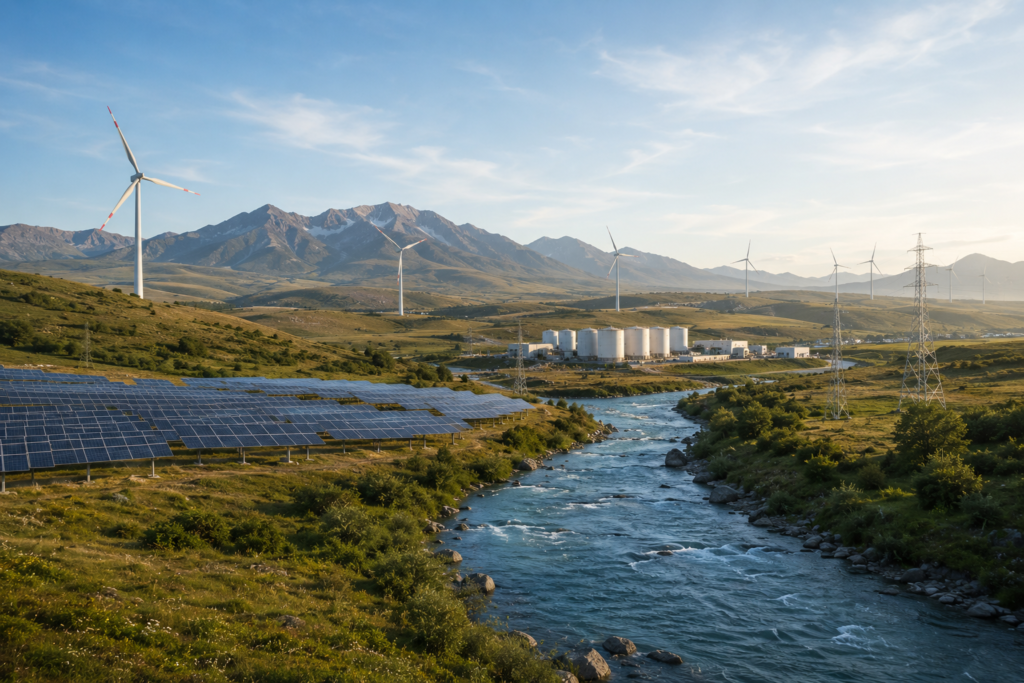
The global conversation surrounding energy transformation has accelerated dramatically over the last decade, with governments, corporations, investors, and environmental organizations collectively pursuing cleaner alternatives capable of reducing long-term environmental impact. Yet one of the most important realities often overlooked within this transition is that global energy systems cannot abandon traditional fuels overnight. Industrial economies remain deeply dependent on petroleum infrastructure, transportation networks continue relying heavily on refined fuel products, and large-scale renewable integration remains a gradual process requiring technological maturity, infrastructure investment, and realistic implementation timelines. Vastly recognizes this challenge and has built its long-term strategy around a practical philosophy that sustainable energy progress does not require rejecting conventional fuels immediately, but rather improving how they are refined, consumed, and optimized to burn cleaner while reducing environmental impact.
At the center of this vision stands the leadership philosophy of Sheikh Mohammed Jamal Al Qasimi, whose approach emphasizes responsible innovation, operational efficiency, and pragmatic sustainability. Rather than framing the future of energy as a conflict between traditional petroleum and renewable alternatives, Vastly positions itself as a company capable of bridging both worlds. Through sustainable energy innovation, advanced refining technologies, efficiency optimization, and eco-friendly energy solutions, the company is building a model that reflects how the global energy sector can evolve responsibly while maintaining economic stability and industrial continuity.
Energy transition is often discussed as a rapid shift away from fossil fuels toward renewable alternatives such as solar, wind, hydrogen, and battery storage technologies. While this long-term direction remains central to global sustainability objectives, the operational realities of energy demand create a more complicated picture. Transportation, shipping, aviation, heavy manufacturing, industrial logistics, and emerging economies continue depending heavily on refined petroleum products to maintain economic productivity.
This reality has created an important strategic challenge for energy companies. The objective is no longer simply supplying fuel or investing in renewable technologies independently. The modern energy sector increasingly requires organizations capable of balancing current demand with future sustainability objectives. Vastly has positioned itself precisely within this space by acknowledging that traditional fuel optimization remains an essential component of responsible energy evolution.
The concept of clean energy transition must therefore be understood as a process rather than an immediate replacement cycle. Sustainable progress depends on improving existing fuel systems while simultaneously investing in cleaner alternatives that can gradually assume larger roles within the global energy ecosystem.
This pragmatic understanding distinguishes companies focused on realistic long-term transformation from organizations relying solely on idealistic transition narratives disconnected from operational realities.
Sustainable energy innovation is often associated exclusively with renewable technologies, but innovation within the energy sector extends far beyond solar panels and electric mobility infrastructure. Vastly recognizes that significant environmental progress can also be achieved by improving the efficiency, cleanliness, and operational performance of existing petroleum products.
The company’s philosophy is rooted in the understanding that millions of businesses worldwide continue relying on fuel-powered infrastructure that cannot be replaced immediately. Commercial transportation fleets, industrial operations, shipping networks, manufacturing plants, construction equipment, and energy-intensive sectors require practical solutions capable of reducing environmental impact today rather than waiting decades for full infrastructure transformation.
By investing in improved refining processes, premium fuel quality control, cleaner combustion optimization, and advanced operational efficiency systems, Vastly contributes directly to reducing emissions intensity associated with traditional fuel consumption.
This approach reflects an important truth often overlooked in sustainability discussions. Environmental responsibility does not always require radical replacement. In many cases, meaningful progress comes through continuous improvement, efficiency enhancement, and responsible innovation applied within existing operational frameworks.
For the global energy sector, this represents a more realistic and immediately actionable path toward sustainability.
The direction of any organization is ultimately shaped by leadership philosophy, and Vastly’s commitment to balancing traditional energy with sustainability reflects the broader strategic vision of Sheikh Mohammed Jamal Al Qasimi. His leadership approach recognizes that long-term corporate success increasingly depends on environmental responsibility, operational innovation, and the ability to adapt to changing global expectations surrounding sustainability.
Rather than approaching sustainability as a marketing initiative or external obligation, this vision integrates environmental responsibility directly into operational strategy. The objective is not merely to participate in global sustainability conversations but to actively contribute practical solutions capable of generating measurable impact.
Sheikh Mohammed Jamal Al Qasimi’s perspective reflects a growing trend among forward-thinking business leaders who recognize that profitability and sustainability are no longer competing priorities. Modern businesses increasingly succeed by aligning financial performance with environmental stewardship, technological innovation, and responsible long-term planning.
Within the energy sector specifically, this leadership philosophy becomes particularly significant because the industry remains central to both economic development and global climate strategy. Organizations capable of balancing these responsibilities effectively will likely define the next generation of energy leadership.
Vastly’s operational strategy reflects precisely this balance between pragmatism, responsibility, and innovation-driven progress.
One of the most important elements of Vastly’s sustainable strategy involves traditional fuel optimization. Conventional petroleum products remain essential for global economic activity, but their environmental impact can be reduced significantly through improved refining standards and better combustion efficiency.
Cleaner-burning fuels generate fewer harmful deposits, improve engine performance, reduce unnecessary emissions, and support better energy utilization across transportation and industrial applications. Small improvements in fuel efficiency multiplied across thousands of commercial vehicles or industrial systems can generate meaningful environmental benefits over time.
Advanced refinement technology allows companies like Vastly to produce fuel products designed to maximize performance while minimizing waste and emissions intensity. This approach improves operational outcomes for customers while simultaneously supporting broader sustainability objectives.
The significance of traditional fuel optimization extends beyond environmental concerns alone. Better-performing fuel reduces maintenance requirements, extends engine lifespan, improves equipment reliability, and lowers total operational costs for businesses relying heavily on fuel-powered assets.
By focusing on efficiency improvement within existing fuel infrastructure, Vastly demonstrates that innovation can occur within traditional energy systems while still contributing to long-term sustainability progress.
One of the major challenges associated with rapid energy transition is the potential for operational disruption. Businesses cannot simply replace transportation fleets, industrial equipment, and existing infrastructure overnight without enormous financial consequences.
Vastly addresses this challenge by pursuing eco-friendly energy solutions that improve sustainability without requiring immediate infrastructure replacement. This strategy recognizes that gradual improvement often produces more sustainable long-term outcomes than abrupt transformation.
Businesses operating logistics fleets, manufacturing plants, construction operations, shipping systems, and industrial facilities require continuity. Operational disruption creates economic instability, increased costs, and implementation challenges that slow broader sustainability adoption.
By improving fuel quality, enhancing energy efficiency, reducing combustion waste, and supporting cleaner operational performance, Vastly allows organizations to move toward environmental responsibility while maintaining operational stability.
This balance between sustainability and practicality represents one of the most important principles shaping the future of energy sector evolution.
Companies increasingly seek partners capable of helping them reduce environmental impact without compromising operational performance. Vastly’s model directly addresses this growing demand.
Sustainability has become a critical factor influencing investor confidence, stakeholder engagement, and corporate reputation. Energy companies increasingly face pressure to demonstrate credible long-term environmental strategies while maintaining profitability and operational competitiveness.
Organizations perceived as resistant to sustainability adaptation often encounter growing regulatory pressure and changing investor expectations. Conversely, companies pursuing practical renewable energy strategy and measurable environmental improvement frequently benefit from stronger stakeholder trust and improved market positioning.
Vastly’s model provides a compelling example of how sustainable energy companies can balance economic performance with responsible environmental leadership. Rather than making unrealistic promises about immediate transformation, the company focuses on achievable progress supported by operational innovation and measurable efficiency improvements.
This approach appeals strongly to investors seeking long-term stability because it reflects disciplined strategy rather than speculative environmental positioning.
Corporate stakeholders increasingly recognize that sustainable growth depends on organizations capable of adapting intelligently to changing environmental expectations while protecting operational performance.
Vastly’s strategic direction reflects exactly this balance.
Global sustainability initiatives continue influencing energy policy, corporate governance standards, investment priorities, and regulatory frameworks across virtually every major economy. Governments increasingly encourage businesses to reduce emissions intensity, improve operational efficiency, and invest in cleaner technologies.
The future of energy will almost certainly involve greater renewable integration, alternative fuels, hydrogen infrastructure, carbon reduction technologies, and more sophisticated efficiency systems. Yet during this transition, traditional fuels will continue playing an essential role.
Companies capable of improving current systems while preparing for future innovation will likely become industry leaders.
Vastly aligns with this evolving landscape by positioning itself as both a traditional energy expert and an innovation-driven sustainability partner. This dual capability allows the company to serve current market needs while contributing meaningfully to future energy transformation objectives.
As industry standards continue evolving, businesses increasingly seek energy partners capable of supporting both immediate operational requirements and long-term sustainability goals.
This shift creates enormous opportunity for organizations willing to embrace pragmatic innovation rather than ideological extremes.
The future of global energy does not depend solely on replacing one system with another. It depends on responsible leadership capable of understanding complexity and implementing solutions grounded in operational reality.
Sustainable progress requires innovation, but innovation must remain practical. Vastly’s vision demonstrates that environmental responsibility and traditional energy expertise can coexist productively when guided by thoughtful strategy and long-term commitment.
The leadership of Sheikh Mohammed Jamal Al Qasimi reflects this principle by championing an approach focused on cleaner fuels, operational efficiency, technology advancement, and realistic transition planning.
For the broader energy industry, this represents an increasingly important lesson. Sustainable transformation is not simply about abandoning the old. It is about improving existing systems while building better future alternatives.
The companies that understand this balance will shape the next generation of global energy leadership.
The global clean energy transition remains one of the defining challenges of modern industry, but successful transformation requires pragmatism as much as ambition. Vastly has built its sustainable energy strategy around the understanding that traditional fuels will remain essential for years to come, and that improving how those fuels are refined and consumed can generate meaningful environmental progress immediately.
Through sustainable energy innovation, cleaner fuel optimization, advanced refining technologies, and the leadership vision of Sheikh Mohammed Jamal Al Qasimi, Vastly demonstrates how energy companies can bridge conventional petroleum expertise with eco-friendly innovation.
This balanced approach supports operational continuity, reduces environmental impact, strengthens stakeholder confidence, and aligns with the evolving expectations of investors, regulators, and global sustainability initiatives.
In a world searching for responsible energy leadership, Vastly offers a model built not on unrealistic promises, but on practical progress capable of driving meaningful long-term transformation.
© 2026 Vastly. All rights reserved.