
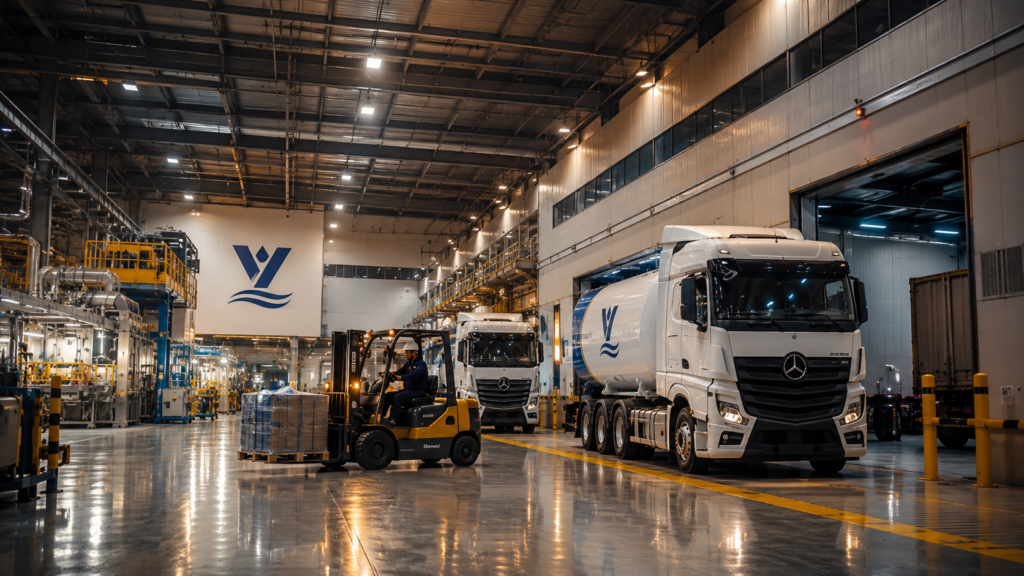
The United Arab Emirates has established itself as one of the Middle East’s most advanced industrial economies, with manufacturing playing a critical role in national economic diversification and long-term growth strategies. From food processing and construction materials to petrochemicals, packaging, metals, plastics, and advanced manufacturing technologies, industrial facilities across the UAE depend on continuous operational efficiency to remain competitive in regional and international markets. In this highly demanding environment, uninterrupted fuel supply has become one of the most important yet often overlooked components of operational success. While manufacturing leaders invest heavily in machinery, automation, workforce development, and production optimization, the consistent availability of fuel remains the foundation upon which every industrial process depends.
In the fast-paced UAE industrial sector, even a two-hour delay in fuel delivery can trigger serious operational consequences. Production lines may slow or stop entirely, machinery can remain idle, workforce productivity declines, and customer delivery commitments become increasingly difficult to meet. As manufacturers strive to improve efficiency, reduce costs, and strengthen supply chain resilience, reliable fuel sourcing has evolved from a procurement function into a strategic business priority. Businesses that secure dependable fuel delivery logistics UAE solutions are often better positioned to maintain productivity, protect profitability, and achieve long-term operational stability.
Fuel remains a fundamental operational resource within manufacturing facilities regardless of industry specialization. Industrial operations rely on fuel to power machinery, support logistics activities, operate backup generators, manage heating systems, and facilitate material handling processes. In many facilities, fuel consumption directly influences production capacity and overall operational performance.
Unlike certain operational inputs that can tolerate temporary delays without immediate consequences, fuel interruptions often produce instant effects. Manufacturing environments are designed around carefully coordinated production schedules where machinery, workforce activities, inventory management systems, and outbound logistics functions operate in synchronization. When fuel availability becomes uncertain, this coordination quickly deteriorates, creating disruptions that extend far beyond the initial supply issue.
Manufacturers operating within the UAE face particularly high expectations regarding efficiency and responsiveness. The country’s strategic location as a global trade hub means many facilities participate in international supply chains where production delays can affect suppliers, distributors, and customers across multiple regions. Under these conditions, uninterrupted fuel supply becomes essential not only for maintaining daily operations but also for protecting broader commercial relationships and market competitiveness.
Many business leaders initially focus on direct fuel procurement costs when evaluating supplier relationships. However, the true financial impact of fuel interruptions often extends far beyond the cost of fuel itself. Manufacturing downtime prevention has become a major strategic concern because production interruptions generate substantial indirect expenses that can quickly exceed any short-term procurement savings.
When fuel deliveries arrive late, production lines may slow or halt entirely. Equipment designed for continuous operation often experiences reduced efficiency when subjected to repeated shutdowns and restarts. These interruptions can increase wear on machinery while reducing overall output capacity. At the same time, employees remain on payroll despite reduced productivity, creating labor inefficiencies that contribute to rising operational costs.
The consequences become even more significant when production delays affect customer commitments. Missed delivery schedules may result in contractual penalties, damaged customer relationships, and lost business opportunities. In highly competitive industries, reliability often serves as a key differentiator, making operational continuity essential for maintaining market reputation.
A two-hour production interruption may initially appear manageable, but its effects frequently extend throughout the remainder of the production cycle. Delayed manufacturing schedules impact inventory availability, logistics coordination, warehouse operations, and outbound distribution activities. These cascading effects demonstrate why fuel supply disruptions represent far more than a simple procurement challenge.
Operational continuity remains one of the most important performance indicators within manufacturing environments. Facilities that maintain consistent production schedules generally achieve higher efficiency levels, stronger customer satisfaction, and improved profitability compared to operations experiencing frequent disruptions.
An industrial fuel supply chain functions most effectively when fuel availability remains predictable and aligned with production requirements. Reliable suppliers contribute directly to production continuity by ensuring deliveries occur according to schedule while maintaining adequate inventory levels to support operational demand. This consistency allows manufacturers to focus on production optimization rather than responding to avoidable supply emergencies.
Production continuity also supports equipment longevity. Many industrial systems perform best under stable operating conditions. Frequent interruptions can increase maintenance requirements, reduce equipment lifespan, and create operational inefficiencies that affect overall manufacturing performance. Businesses that prioritize reliable fuel sourcing often experience lower maintenance costs and stronger asset utilization rates because equipment operates under more consistent conditions.
As manufacturing processes become increasingly automated, the importance of uninterrupted fuel supply continues growing. Modern facilities rely heavily on integrated production systems where disruptions affecting one area can quickly influence multiple operational functions. Maintaining fuel reliability therefore supports broader operational stability across the entire manufacturing environment.
Manufacturing performance depends heavily on workforce productivity. Employees perform most effectively when operations run according to predictable schedules and production targets remain achievable. Fuel supply interruptions create uncertainty that disrupts workflow coordination and reduces overall efficiency.
When production lines stop unexpectedly, workers may be reassigned temporarily, remain idle, or operate below normal productivity levels while waiting for operations to resume. These disruptions can affect morale, increase scheduling complexity, and reduce output consistency. Over time, recurring interruptions may contribute to broader workforce challenges related to engagement and operational discipline.
Operational efficiency is similarly affected. Manufacturing facilities invest significant resources in optimizing production processes, minimizing waste, and improving throughput. Fuel-related disruptions undermine these efforts by introducing avoidable variability into production schedules. Businesses focused on continuous improvement recognize that stable fuel availability supports broader efficiency initiatives and operational excellence programs.
Facilities that maintain dependable fuel access generally experience stronger workforce coordination because employees can focus on productive activities rather than adapting to unexpected operational changes. This stability contributes directly to improved performance and stronger financial outcomes.
The UAE’s manufacturing sector operates within an increasingly interconnected supply chain environment. Raw materials arrive from global suppliers, production facilities transform inputs into finished products, and distribution networks deliver goods to domestic and international customers. Any disruption affecting one stage of this process can create consequences throughout the broader supply chain.
Fuel delivery logistics UAE operations therefore play a critical role in maintaining supply chain reliability. Manufacturing facilities depend on timely fuel deliveries to support production schedules aligned with inbound material shipments and outbound customer commitments. Delays affecting fuel availability can disrupt these carefully coordinated activities, creating inefficiencies across multiple operational areas.
Supply chain resilience has become a major focus for manufacturers following recent global disruptions involving transportation bottlenecks, geopolitical uncertainty, and fluctuating market conditions. Businesses increasingly recognize that dependable fuel suppliers contribute significantly to operational resilience by reducing exposure to avoidable supply risks.
Reliable fuel sourcing also improves forecasting accuracy and inventory management. Manufacturers can plan production activities more effectively when fuel availability remains predictable, reducing uncertainty while supporting stronger operational decision-making.
Not all manufacturing facilities operate under identical conditions. Production volumes, operating hours, fuel consumption patterns, and inventory capacities vary significantly across industries and individual businesses. As a result, standardized delivery approaches may not always provide the flexibility required to support optimal operational performance.
Customizable delivery schedules have emerged as an important solution for manufacturers seeking greater control over fuel management. Suppliers capable of adapting delivery frequency, timing, and volume according to customer requirements help businesses maintain appropriate inventory levels while minimizing operational risk.
For facilities operating continuous production schedules, customized fuel delivery arrangements can provide additional protection against unexpected consumption fluctuations or changing operational demands. Businesses benefit from improved flexibility while reducing the likelihood of fuel shortages that could affect production continuity.
This approach reflects a broader shift within industrial procurement strategies toward partnership-oriented supplier relationships. Manufacturers increasingly value suppliers capable of supporting operational objectives rather than simply delivering products according to fixed schedules.
Modern manufacturing operations require more than basic fuel delivery services. Businesses increasingly seek end-to-end logistics solutions capable of supporting comprehensive operational continuity strategies. Integrated fuel management services help manufacturers improve visibility, strengthen planning capabilities, and reduce exposure to supply chain disruptions.
Companies such as Vastly Refined Oil understand that fuel reliability extends beyond transportation alone. Effective fuel logistics involve inventory monitoring, demand forecasting, route optimization, contingency planning, and proactive communication. These capabilities help ensure fuel reaches manufacturing facilities precisely when required while reducing operational uncertainty.
End-to-end logistics solutions also improve responsiveness during periods of unexpected demand growth or market volatility. Manufacturers benefit from stronger operational agility because suppliers can adapt more effectively to changing circumstances. This flexibility becomes increasingly valuable as production requirements evolve and competitive pressures intensify.
Business continuity planning increasingly incorporates fuel logistics as a core strategic component. Manufacturers that integrate fuel management into broader resilience frameworks often achieve stronger operational performance during periods of uncertainty while protecting critical production activities from avoidable disruptions.
The UAE continues investing heavily in industrial development through national initiatives focused on manufacturing expansion, technological innovation, and economic diversification. Programs supporting advanced manufacturing, industrial automation, sustainability, and export growth are creating new opportunities for businesses operating within the sector.
As industrial activity expands, demand for dependable fuel infrastructure and reliable supply networks will continue increasing. Manufacturing facilities require confidence that essential resources remain available regardless of changing market conditions or operational pressures. Reliable fuel sourcing therefore supports not only individual business performance but also broader national economic objectives.
The country’s position as a global logistics hub further reinforces the importance of fuel reliability. Manufacturers competing within international markets must maintain consistent production performance to meet customer expectations and preserve competitiveness. Fuel interruptions that affect operational continuity can undermine these objectives and create challenges extending beyond local operations.
Future industrial growth will increasingly depend on integrated supply chain solutions capable of supporting advanced manufacturing environments. Fuel logistics providers that invest in technology, operational excellence, and customer-focused service models are likely to play a critical role in supporting this evolution.
Uninterrupted fuel supply is truly the backbone of UAE manufacturing because it supports every aspect of operational continuity, production efficiency, workforce productivity, and supply chain reliability. In an industrial environment where even a two-hour fuel delivery delay can stall production lines and cost thousands of dirhams, dependable fuel access is not merely a procurement concern—it is a strategic business necessity.
Manufacturers that prioritize reliable fuel sourcing gain significant advantages in downtime prevention, operational stability, cost control, and competitive performance. By partnering with suppliers capable of providing customizable delivery schedules and comprehensive logistics support, businesses can reduce risk while maintaining consistent production output.
As the UAE continues strengthening its position as a leading industrial and manufacturing center, the importance of fuel delivery logistics UAE solutions will only increase. Organizations that recognize fuel reliability as a core element of business continuity planning will be better positioned to achieve sustainable growth, protect profitability, and maintain operational excellence in an increasingly demanding marketplace.
© 2026 Vastly Blog. All rights reserved.